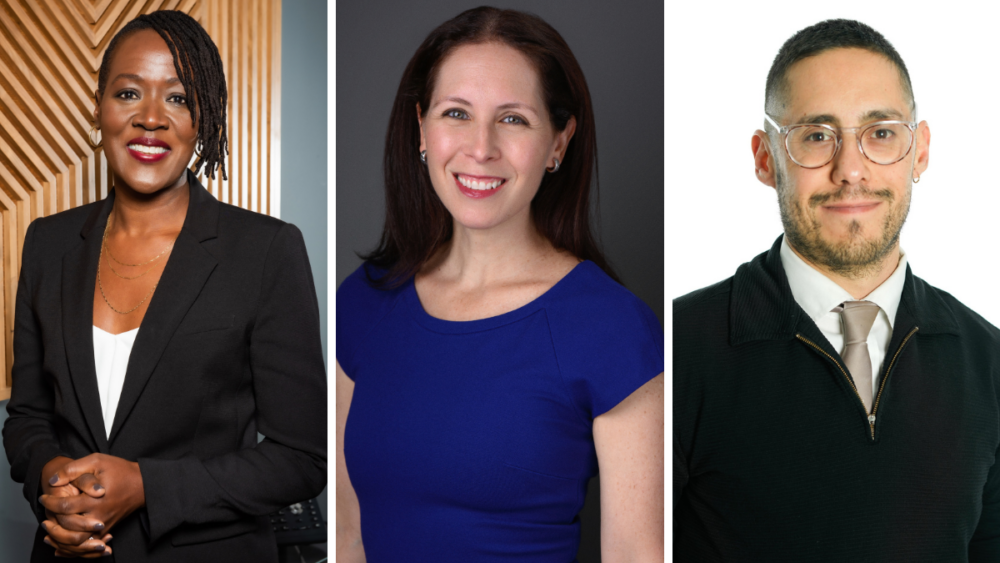
Brooklyn Is the Epicenter: A Reflection from Visiting Scholar Christina Greer
If there’s one lesson I would offer to other foundations and nonprofits, it’s this: Donors — younger ones especially but really all of them — want to feel connected and engaged, like they have a real stake in the future of their neighborhoods. Listen to them, act on what they say, and give them more opportunities to engage on their terms.Dr. Jocelynne Rainey, President & CEO, Brooklyn Org
How Brooklyn Org doubled its donor-advised funds by treating community members as partners, not just prospects.
I bet sometime during your last board retreat someone raised the next-generation donor problem: Young donors are skeptical about philanthropy and want to be part of the solution beyond writing a check. I’ve sat in boardrooms and participated in similar discussions. After several years of rethinking our work at Brooklyn Org, a community foundation, I’ve come to believe we’ve been looking at it wrong: This isn’t a donor problem but an engagement problem.
For decades, philanthropy has operated on a transactional model. Donors wrote checks, foundations decided where the money went, and nonprofits delivered services that community members received. This system worked for a while, but it no longer suits the next generation of donors.
If we want to attract Gen Z and Millennial donors, we need to think differently.
We at Brooklyn Org, formerly known as the Brooklyn Community Foundation, began making a deliberate shift in 2022. The goal was simple: Make philanthropy more of a shared civic experience. We reimagined ourselves not just as a funder but as a platform for civic life — a place where residents, donors, nonprofits, and businesses could come together to shape the future of their communities.
The results? From 2019 to 2025, our number of donor-advised funds doubled, contributed revenue grew from $2.4 million to $28.8 million, and assets under management grew from $74.5 million to $146.8 million. Best of all, that has enabled us to invest more in community nonprofits — increasing total grant making from $7.4 million to $19.5 million.
Here are a few tips to get young donors involved and giving.
If you want to engage younger people, listen to them.
Starting in 2022, we launched a boroughwide listening campaign, visiting 27 neighborhoods over three years, hearing from 150 residents of all ages about what they needed and wanted for their communities. Then we developed a plan of action.
Those conversations shaped our responsive-philanthropy approach. Instead of us deciding what areas to fund and making long-term commitments, we now make grants to fund what residents tell us they need. We launched new initiatives like our Neighborhood Collective Impact Grants and a microgrants program to address issues raised by the community, such as supporting young, small organizations that address issues at the neighborhood level.
In 2025 we led the charge in organizing the People’s Pulse, a citywide survey to identify residents’ most pressing concerns. We shared results with the broader community and, importantly, policymakers, pressing them to better address issues residents flagged as most urgent. This further positioned us as listeners, responders, and advocates for our community.
The message we deliver is simple: Brooklyn is your community, and you can shape what happens here. That shift to listening and responding is helping us build trust and boost engagement with community members in a way no report on grant making or campaign for fundraising ever did.
People only need to hear ‘no’ once to be dissuaded from trying to engage with you again.
Now we host frequent listening sessions. Our first listening tour ended in 2025 and we recently kicked off our second tour.
To show you’re attuned to donors, share back what you hear and how it’s influencing decisions. Then tie your funding priorities directly to community input.
One of the biggest mistakes we made was limiting how people can engage with us, despite offering a few participatory grant-making opportunities and the listening tour.
Previously, our primary invitation was to write a check. That severely limited our ability to engage with community members, especially younger ones who want to get involved.
So we created more advisory opportunities. We also reimagined our website not as a place where we tout our impact but as a place for residents to learn about local issues and the nonprofits addressing them.
From 2019 to 2025, grants made with community input increased 592 percent and web visitors grew by 188 percent.
Several people started by joining the Spark Prize committee as a way to get involved and have since become donors to the foundation. One woman, who was new to Brooklyn, began to attend our events as a way to get involved in the community. She then went on to open a DAF.
We’ve also encouraged donors to create their own pathways. One donor used her donor-advised fund not just to give but to launch a peer network that shares resources and funds grassroots leaders, which further creates and strengthens community.
You can bring young donors into the fold by offering hands-on opportunities like site visits or grant-making advisory roles, creating volunteer and civic engagement opportunities, and building programs where donors can both contribute and collaborate.
Participation is what turns interest into long-term commitment.
Here’s something we had to confront honestly: We used to say “no” a lot. No, we don’t fund that. No, we don’t have volunteer opportunities. No, we can’t connect you to the community.
People only need to hear “no” once to be dissuaded from trying to engage with you again. So we worked on ways to say yes to the most common requests for engagement.
That has led to some of our most effective grant making:
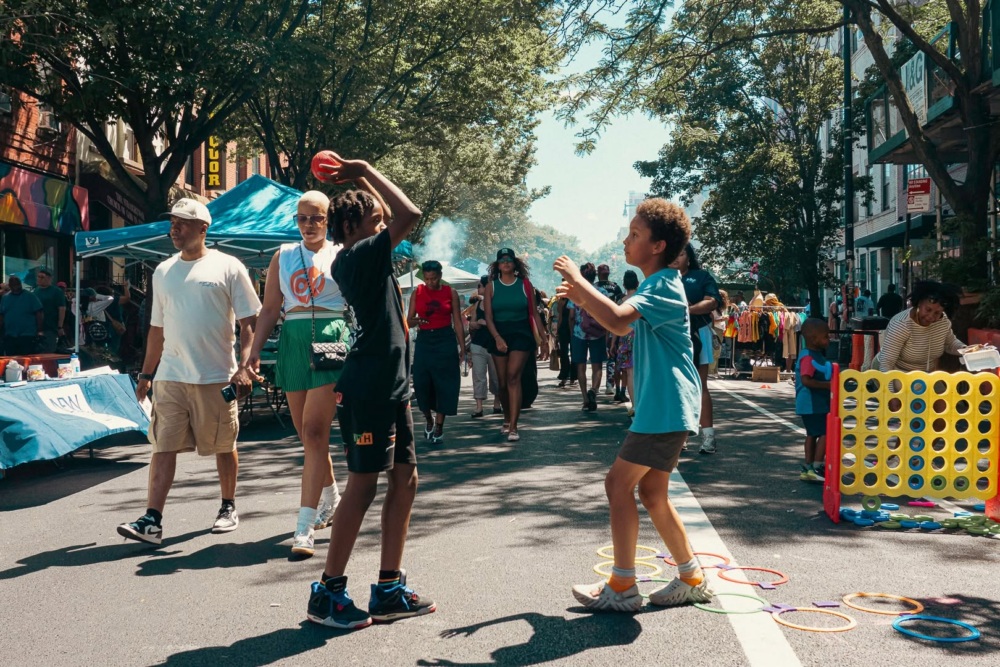
Attendance at our events increased 57 percent from 2019 to 2025. Last year, a total of 2,200 people showed up.
Audit when you say “no” the most and ask if there’s a way to say “yes” instead. Create low-barrier entry points for engagement like community festivals, public forums, and hosting volunteer days.
If there’s one lesson I would offer to other foundations and nonprofits, it’s this: Donors — younger ones especially but really all of them — want to feel connected and engaged, like they have a real stake in the future of their neighborhoods. Listen to them, act on what they say, and give them more opportunities to engage on their terms.
The shift we made wasn’t just about Gen Z. It was about rebuilding our foundation around participation instead of transaction — and that’s the direction the whole sector is moving in, whether we lead it or get pulled along.