New York Daily News: Aid Nonprofits To Ease NYC Affordability Crisis
Community foundations are at an inflection point.
For decades, the dominant model positioned them as financial advisors for local social good, managing donor funds and directing grants to local causes. That role matters. But it is no longer enough.
Civic participation is declining. Public funding is shrinking. People feel disconnected from the institutions meant to serve them. Communities are looking for organizations that reflect their lives and bring people together.
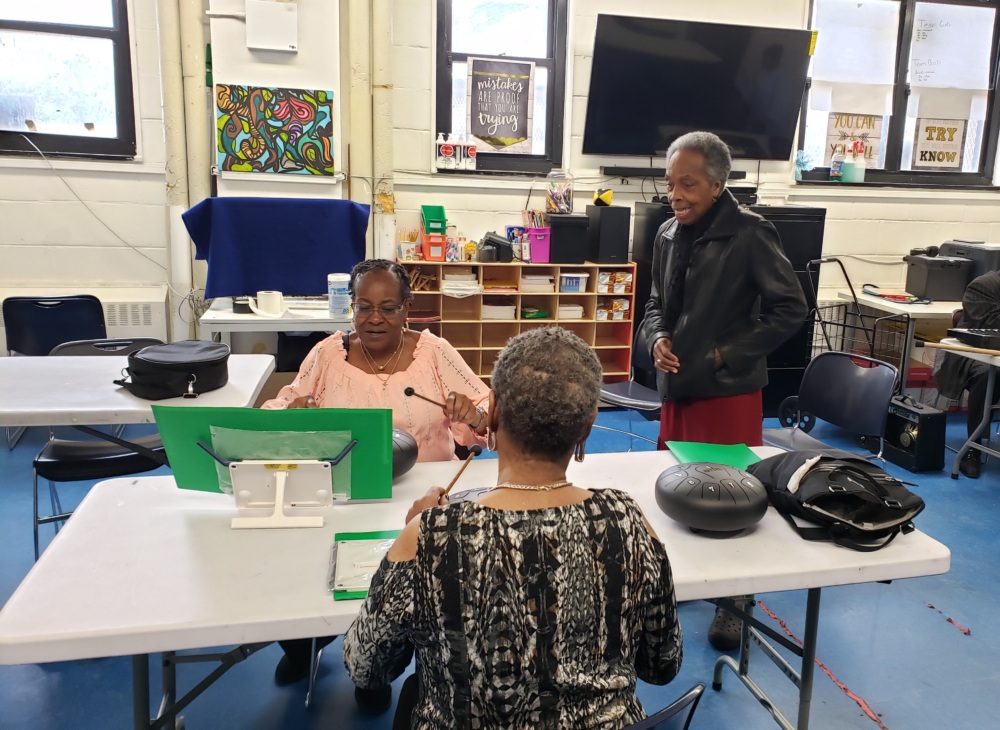
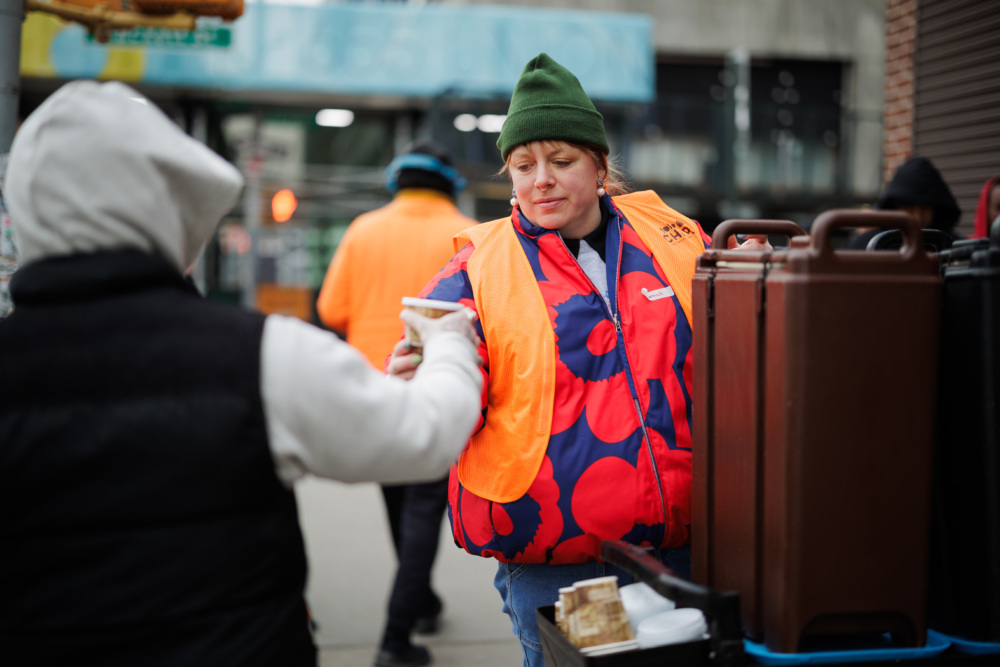
Community foundations, of which there are over 900 in the US, have a rare opportunity to step into that role — evolving into civic and cultural hubs that show up where community life happens, build relationships across sectors, and connect residents, nonprofits, businesses, and government to solve problems together.
The foundations embracing this shift are replacing gatekeeping with radical welcome and quiet institutional branding with a visible presence in everyday life. As the work evolves, the brand must evolve with it.
Listening must be a strategy, not a gesture.
You cannot represent a community you have not taken the time to understand.
That means building real ways to hear from residents across neighborhoods and letting those insights shape funding decisions. Every resident deserves a seat at the table. Opening the tent does not dilute a foundation’s impact. It strengthens it.
Traditional philanthropy often works like a transaction: apply, receive a grant, repeat next year. But going beyond transactions is how foundations show they truly care.
Community foundations can offer much more than money: leadership training, peer gatherings, storytelling support, and connections to new funders. These services should be available to the whole nonprofit community, not just current grantees.
A foundation’s greatest value is not the checks it writes, but the relationships it builds.
When foundations act as partners rather than gatekeepers, they build trust that lasts far beyond a single grant cycle.
No other institution sits at the intersection of so many parts of civic life. Community foundations connect nonprofits with donors, residents with local politicians, and emerging leaders with experienced mentors.
Community foundations connect people to power and to each other.
This relational power cannot be built from a distance. It grows through presence, trust, and years of showing up. Foundations that embrace this become the connective tissue of their community, bringing the right people together to move ideas forward.
Trust in institutions has weakened. Many people feel their voices do not matter or that civic life happens somewhere else.
Community foundations are well positioned to help change that. They can host public forums, surface community priorities, and bring residents into conversations with the leaders who shape local decisions.
Foundations that inspire people to participate in civic life will build champions for generations.
Civic engagement should also feel welcoming and even joyful, not like a bureaucratic process. Giving, volunteering, and participation should feel like natural parts of everyday life.
A community foundation’s identity should be deeply tied to the place it serves: its history, its people, its culture.
That means supporting local artists, investing in public art, and partnering with cultural institutions, festivals, and sports organizations — not just as funders, but as collaborators. Street fairs, markets, and neighborhood celebrations are not distractions from the work. They are where community identity takes shape. Foundations that help nurture pride in place become visible and trusted parts of the communities they serve.
The barriers to transformation are rarely financial. More often they are cultural: risk aversion, slow processes, and layers of bureaucracy that make it hard to act when opportunities appear.
Foundations that move quickly can seize moments that matter. A partnership with a neighborhood business. A sponsorship at a beloved local festival. A rapid response when funding disappears. Every community has its own version of these moments. Foundations that show up earn a place in the community’s heart that no amount of advertising can buy.
Summary:
Comparing 2019 to 2024:
Community foundations cannot focus only on their current donors. Long-term health depends on cultivating the next generation of civic leaders and philanthropists.
This starts by showing up where families already gather: youth sports leagues, festivals, school events, and neighborhood spaces. When foundations connect their presence to the things people love, they build familiarity and loyalty over time. Lower the barrier to entry with accessible giving options, volunteer opportunities, and community memberships. Make it easy for anyone to start.
Once a foundation begins evolving into a civic cultural hub, your brand must make that shift visible.
Your voice
Your visuals
Your brand should be a living reflection of the community it represents and a clear signal that the foundation belongs to the people it serves.
The community foundation we need now is not a social good bank with a respected logo.
It is a civic cultural hub, one that convenes people, celebrates local identity, and connects resources to real community needs. It shows up where life happens and builds relationships that strengthen civic life over time. And it wears that commitment visibly, in a brand that reflects the community it serves, not the institution it used to be.
The foundations that embrace this shift will become indispensable. They will be the first call when something goes wrong, the loudest voice when something goes right, and the institution that helps every resident feel they belong in the place they call home.
Hyperakt is a branding agency that helps purpose-driven organizations find clarity, confidence, and courage. Our perspective comes from working with community foundation leaders and boards through brand transformation projects across the country. Hyperakt partner Deroy Peraza also sits on the board of Brooklyn Org.
We believe the civic cultural hub is not an aspiration. It is a necessity. We are here to help community foundations proudly show up for their communities.