The Congressional Award Welcomes Seven New Appointees to National Board of Directors
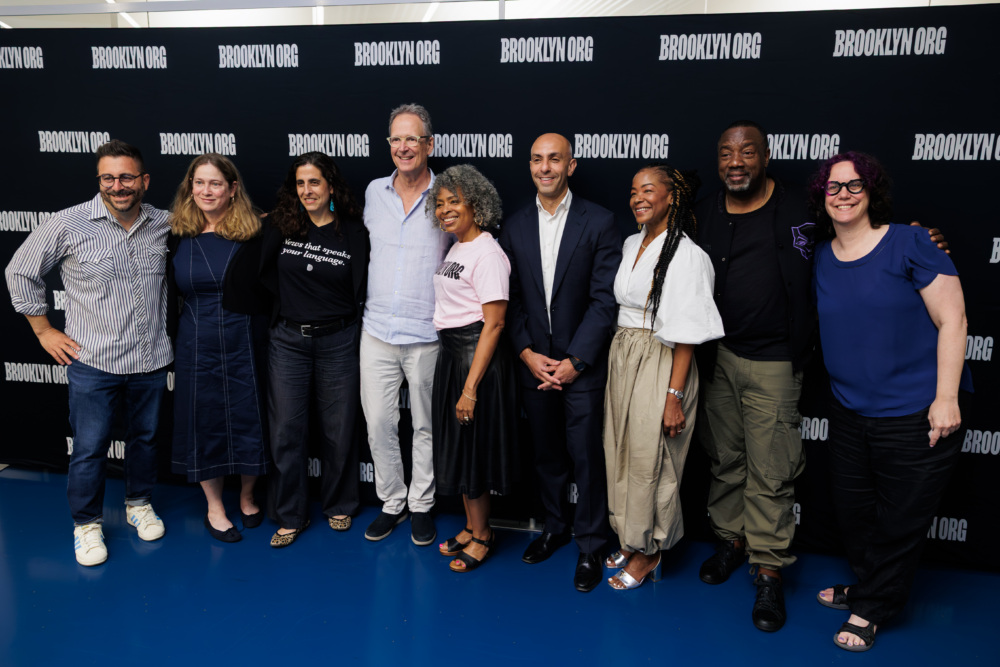
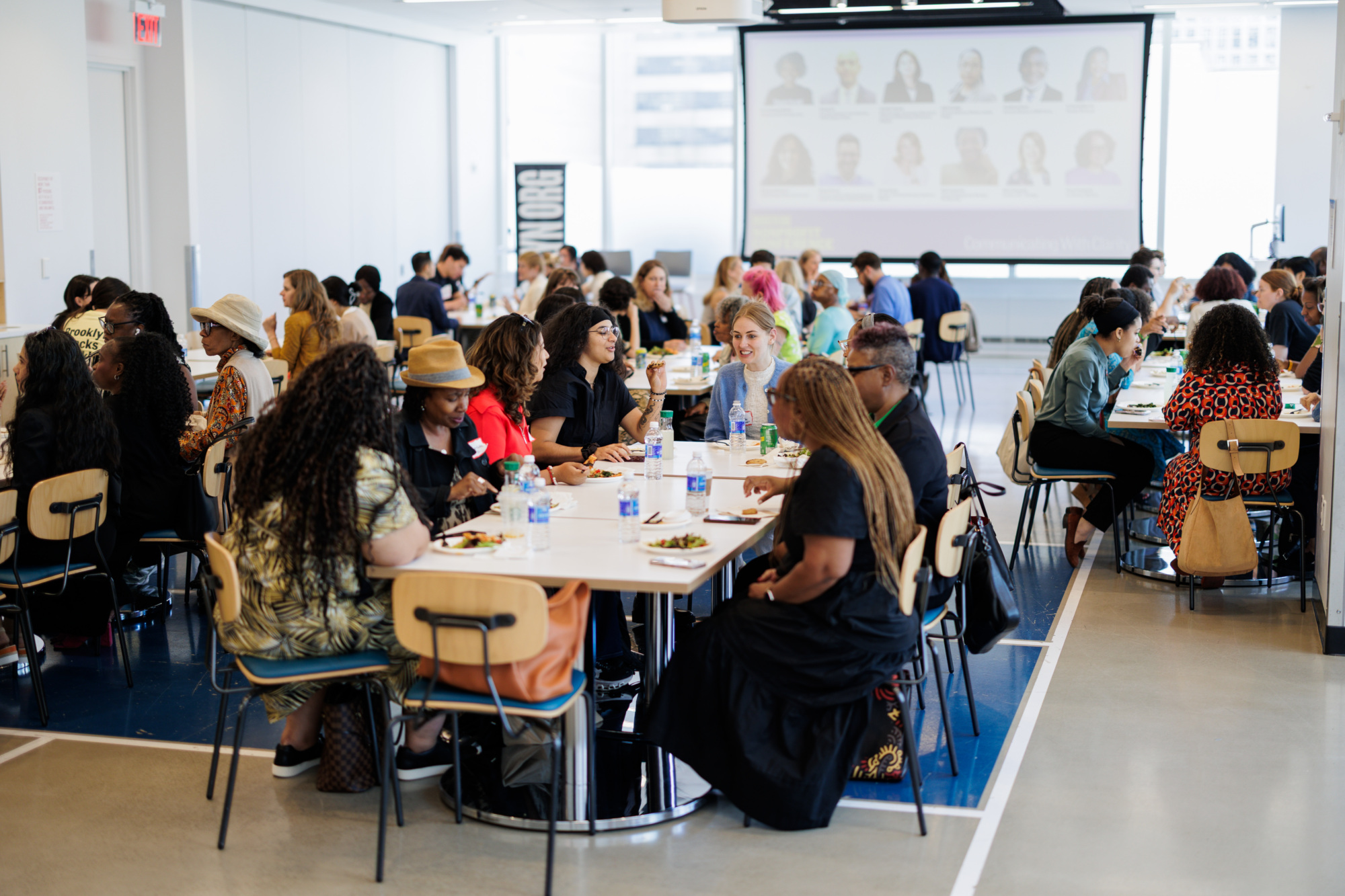
Last week, 218 nonprofit staff and board members from across Brooklyn gathered at St. Francis College for Brooklyn Org’s 2026 Nonprofit Conference: Communicating with Clarity. From the opening panel to the closing session, the day brought together practitioners, strategists, legal experts, and community leaders to explore one of the most pressing and underinvested challenges in the sector — how nonprofits communicate their missions, build public trust, and develop the internal capacity to do both well and sustainably.
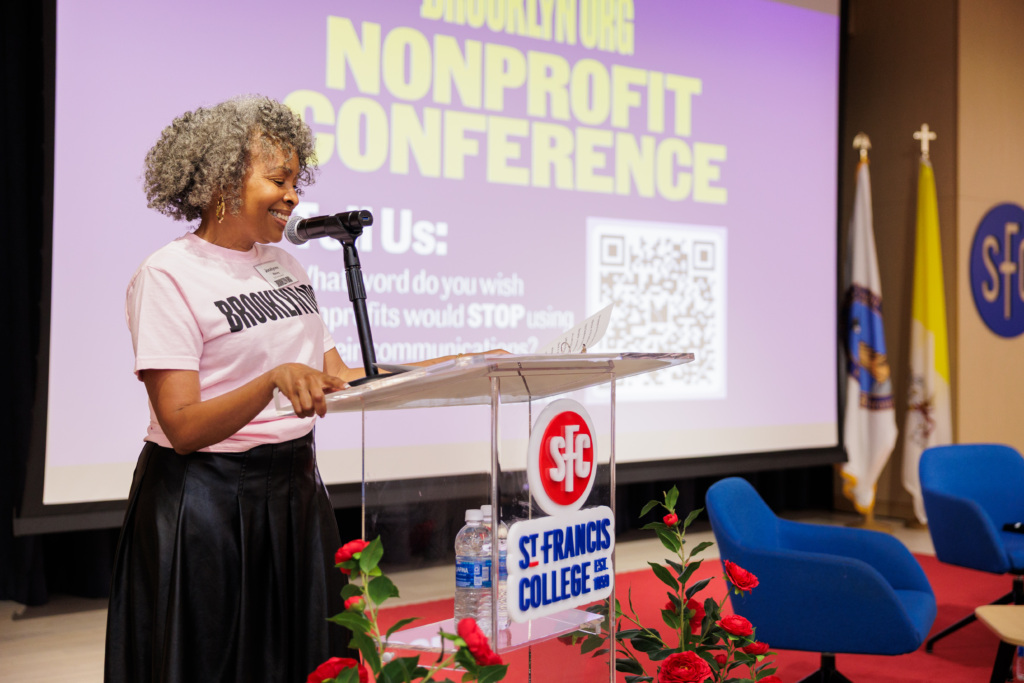
In a climate where funding streams are shifting and communities are navigating unprecedented pressures, strong communications aren’t a luxury. They’re a core organizational function — and the conference made a compelling case for treating them that way.
Many thanks to our host St. Francis College and our sponsors for their generosity and support.
Couldn’t make it? Watch two of the discussions from the day below, and explore the full photo album here.
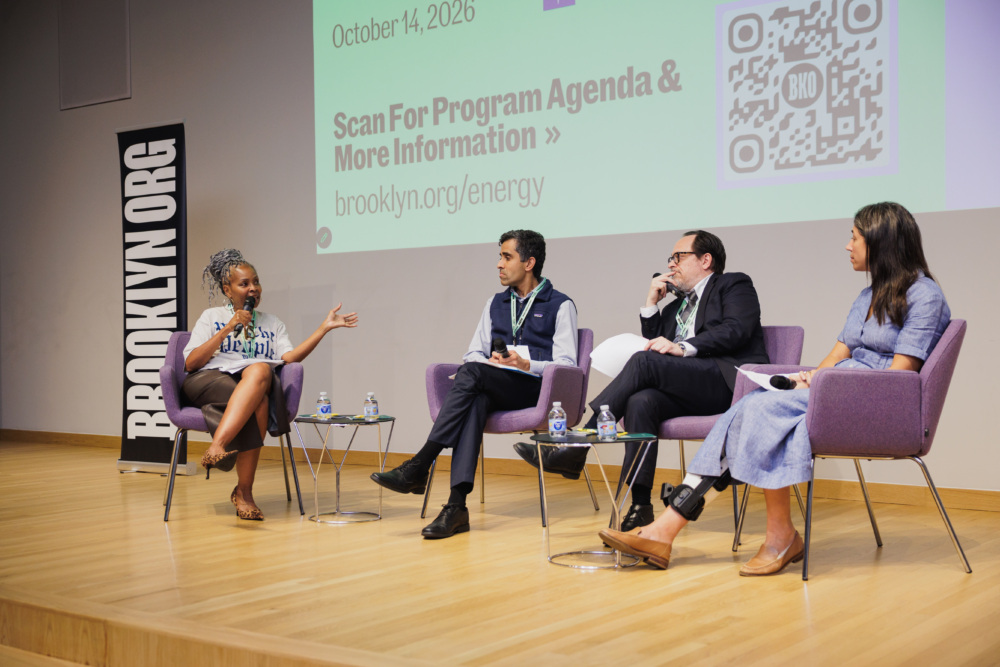
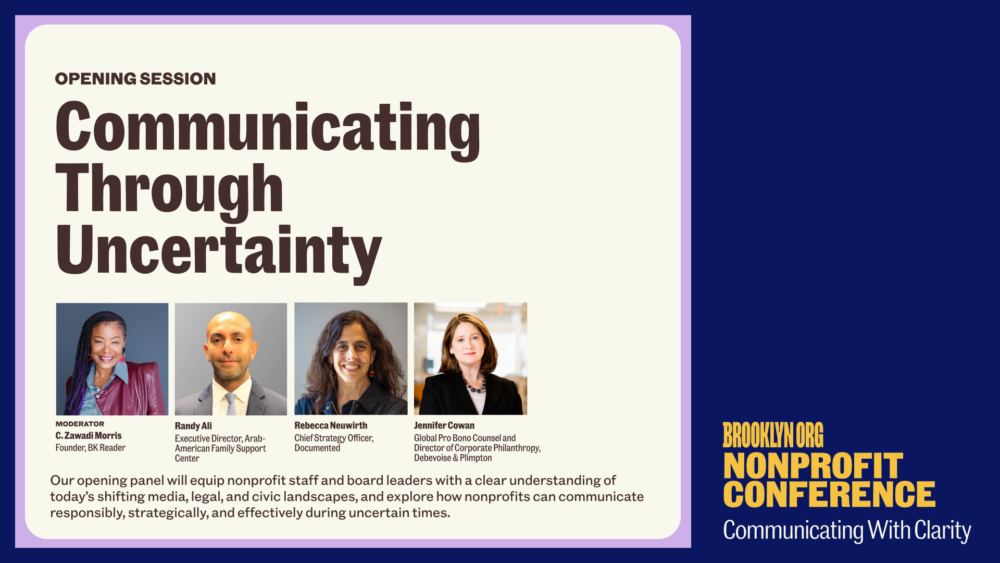
The conference kicked off with a panel that drew on perspectives from community advocacy, law, local journalism, and communications strategy.
Randy Ali, Executive Director of the Arab-American Family Support Center, spoke to the many pressures nonprofits are facing and the importance of returning to first principles: “There are so many pressures on nonprofits. It’s helpful as a guiding tool to think about what are your guiding principles.” He was candid that organizations can’t protect themselves from every threat — “You can’t mitigate every risk” — but that there is power in collective action: “Nonprofits cannot talk about everything and do everything. But one thing we can do is act in solidarity with one another.”
Rebecca Neuwirth, Chief Strategy Officer of Documented, pushed back on the idea that nonprofits need to compete with larger institutions or follow someone else’s communications agenda. The asset nonprofits hold that others don’t is proximity to community — “As nonprofits, we need to lean into our strengths, which is that we know what’s happening in community.” That relationship, she argued, is what communications should protect and reflect: “The thing that you hold that is so core and that needs to be core to your communications is the trust in your community.” She also emphasized the power of collaboration: “It’s so important for communications that we are lifting up the voices of people that we listen to every day. It’s important that we are working together — you don’t need to be an expert on everything.”
Jennifer Cowan, Global Pro Bono Counsel and Director of Corporate Philanthropy at Debevoise & Plimpton, offered an encouraging reframe for organizations feeling the weight of the current moment: “The need and the work continues. The work that is being done by small local nonprofits is addressing community needs, and those needs are still going on regardless of who’s in power.” She encouraged nonprofit leaders to see this moment as an opportunity rather than only a challenge: “A moment like this creates an opportunity for community and connection. Local nonprofits give people the opportunity to respond. You have the ability right now to provide not just hope but practical solutions for people that are feeling overwhelmed.”
Zawadi Morris, Founder of BK Reader, brought it back to something fundamental: “Communications at the end of the day is about connection. That’s the starting point.”
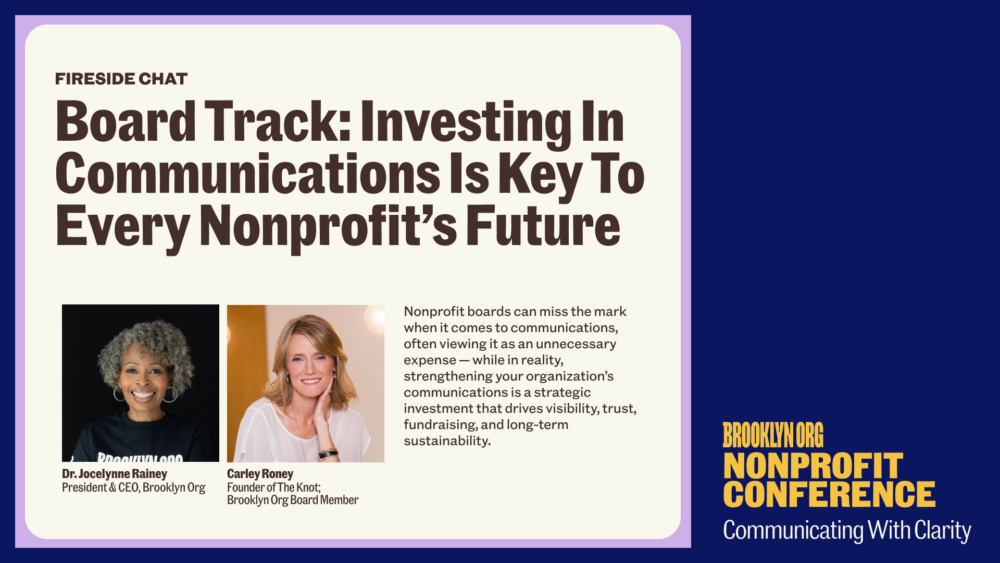
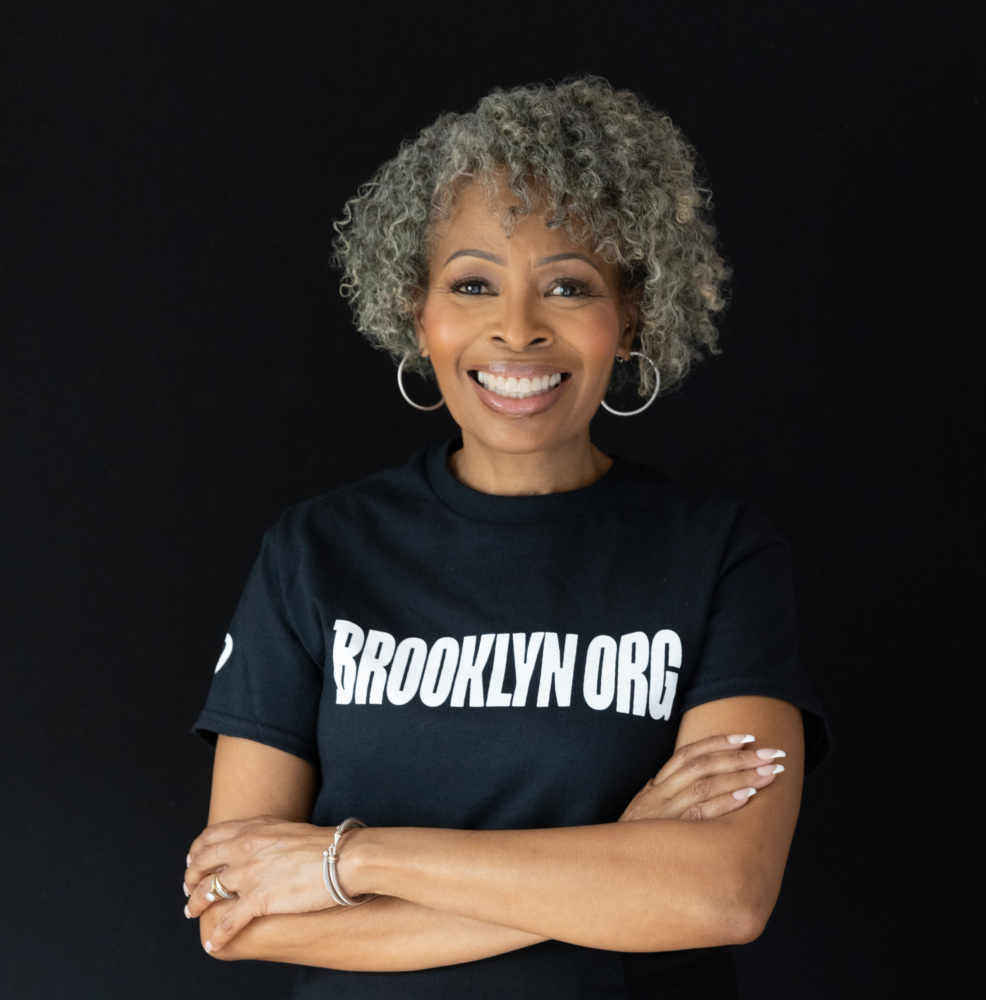
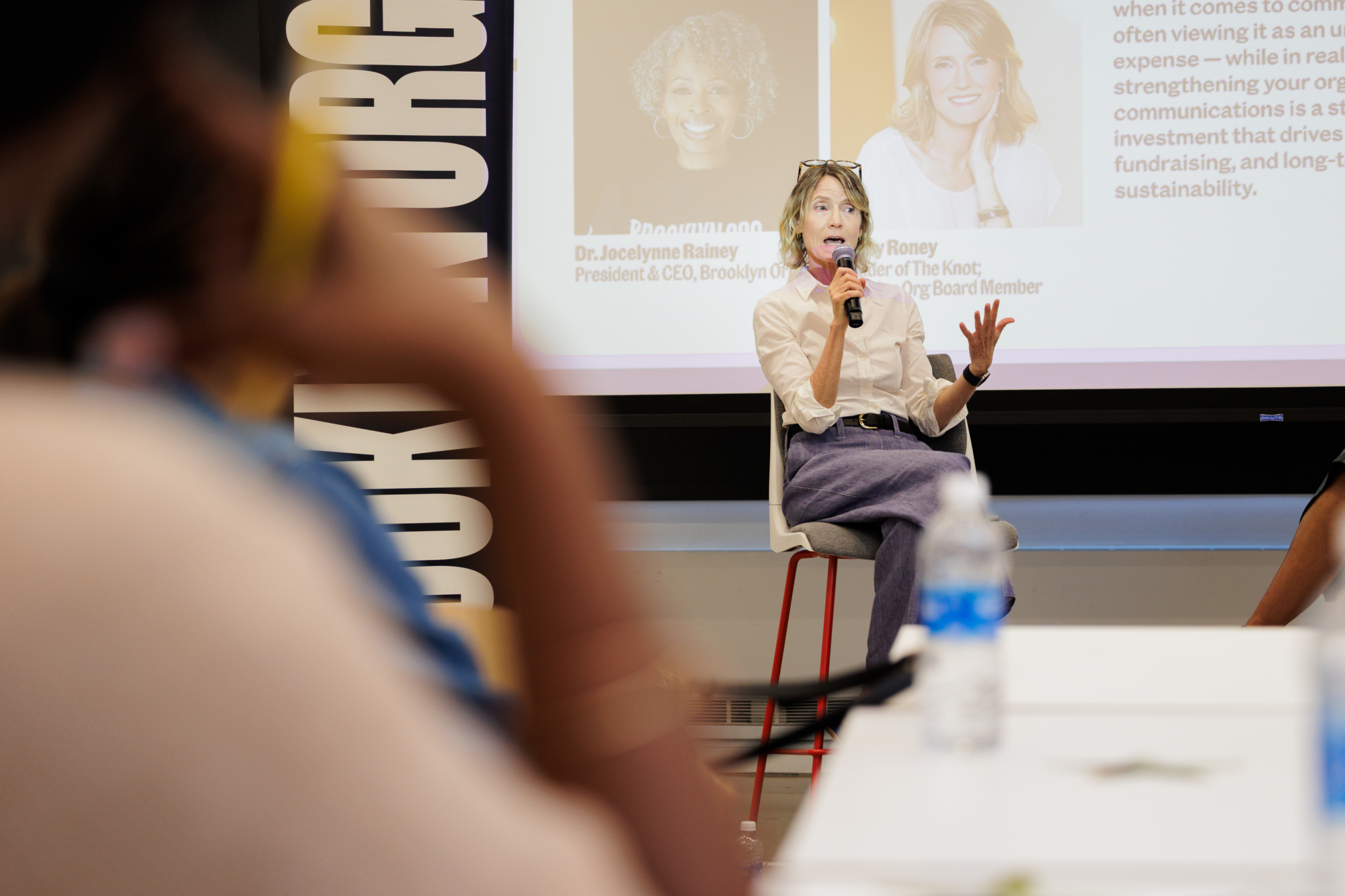
In the board track fireside chat, Dr. Jocelynne Rainey joined Carley Roney, co-founder of The Knot and Brooklyn Org board member, for a candid conversation about communications as a long-term organizational investment. Carley’s advice for organizations unsure where to begin was practical and direct: “The number one easiest way to start to build and communicate who you are and what you do: hire a photographer.” On the question of whether communications investments pay off, she offered a realistic and reassuring perspective: “With marketing, you can never guarantee return on investment. Most of the return on marketing is down the road. Part of it is just knowing that you’re putting yourself out there in a strategic way with a clear message. There’s no version of perfect. Done is always better than perfect.”
Dr. Rainey spoke to the board-staff relationship that makes communications work possible in the first place. “Board members — feel comfortable having difficult conversations with your executive director. It’s ok to ask questions,” she said, adding: “As leaders we have to be open to those conversations — often their perspective is different than ours.” She described how Brooklyn Org’s own evolution has been strengthened by that dynamic: “Part of the rebrand has also been this real partnership between our staff and the board.”
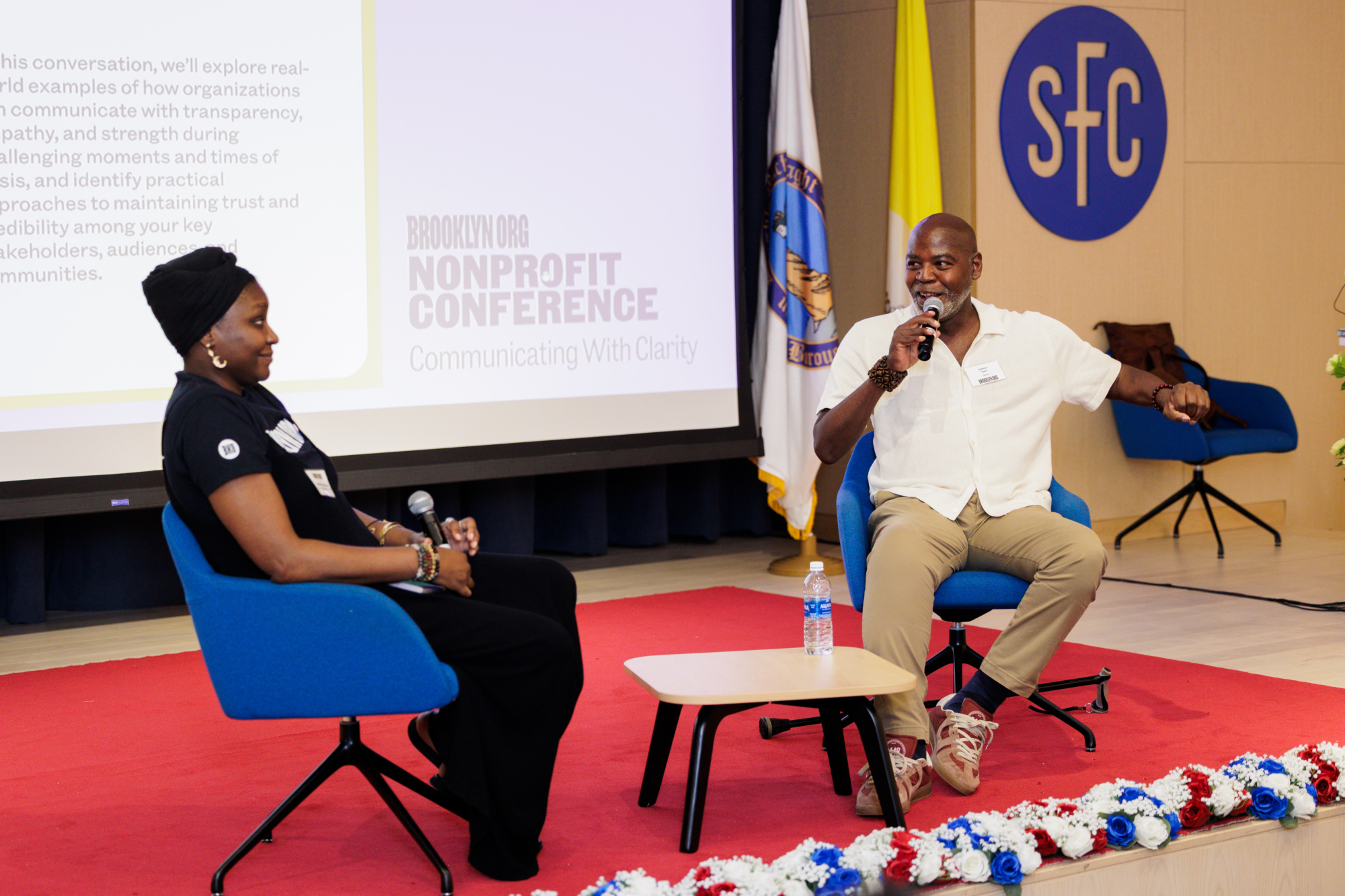
The staff track fireside chat featured Aundaray Guess, Executive Director of GRIOT Circle, and Myla Seabrook, Nonprofit Engagement Manager at Brooklyn Org, in a conversation on Communicating with Care — exploring what it means to communicate with transparency and empathy, especially in difficult moments.
In the nonprofit staff breakout, Deroy Peraza, Partner and Creative & Marketing Director at Hyperakt and Brooklyn Org board member, made a case for why brand is the foundation everything else builds on. “When people don’t know your brand, they don’t know who you are, they don’t know you exist,” he said, adding that every interaction an organization has with the public carries weight: “Every touchpoint — every time people see or experience your brand — is a brand moment.” At the heart of it all is story: “Storytelling is one of the things that makes us human. Your story as an organization is that glue that attracts people to trust you and believe in what you are doing.” He also reminded attendees that branding isn’t something leadership does alone — “The process of branding requires you to bring people along.”
In the board track, Anne Townsend, Founder of ART + Strategy, led a session on staying concise and on message — helping board members develop the confidence and discipline to speak clearly about their organization’s mission in any room.
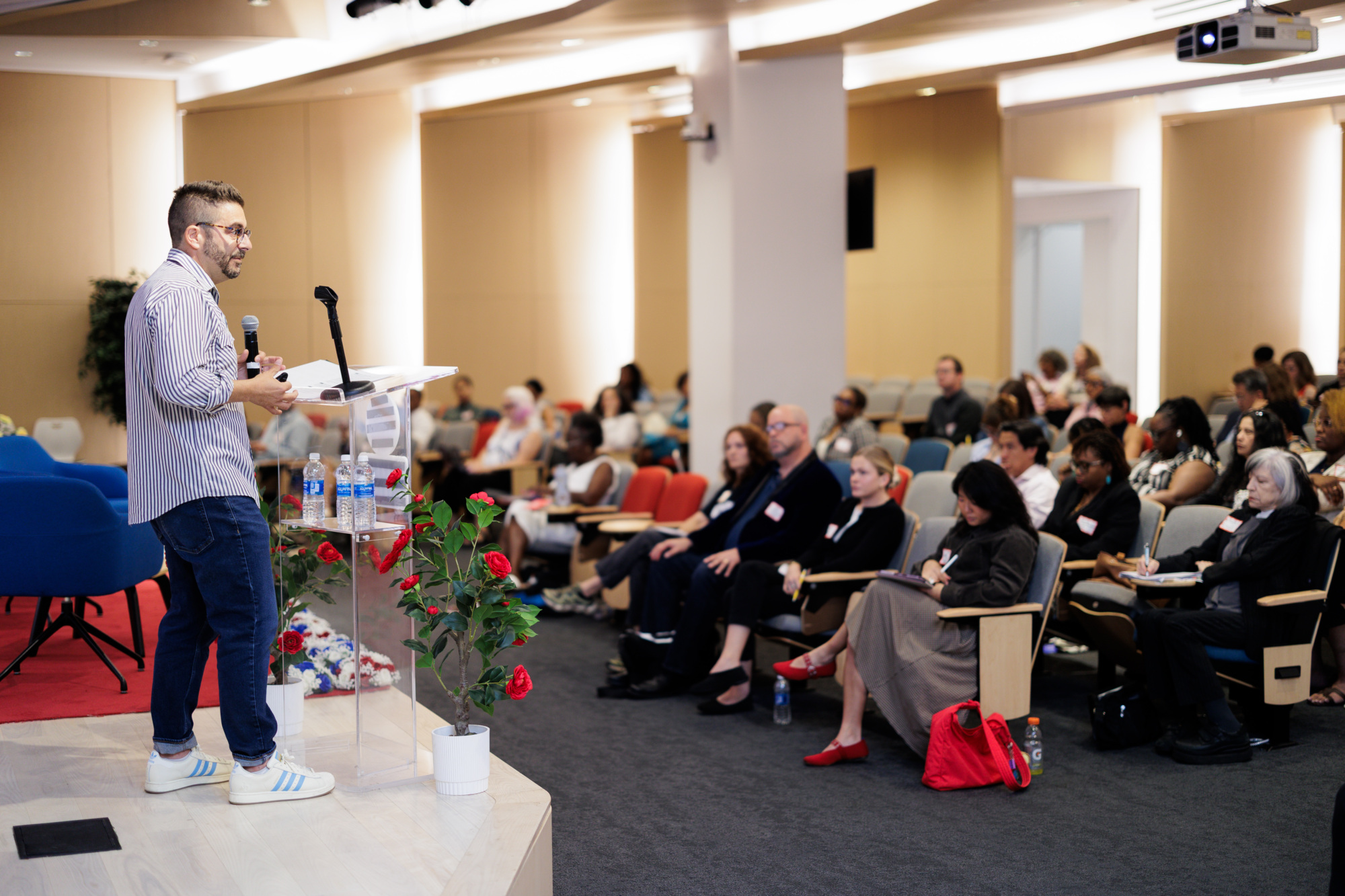
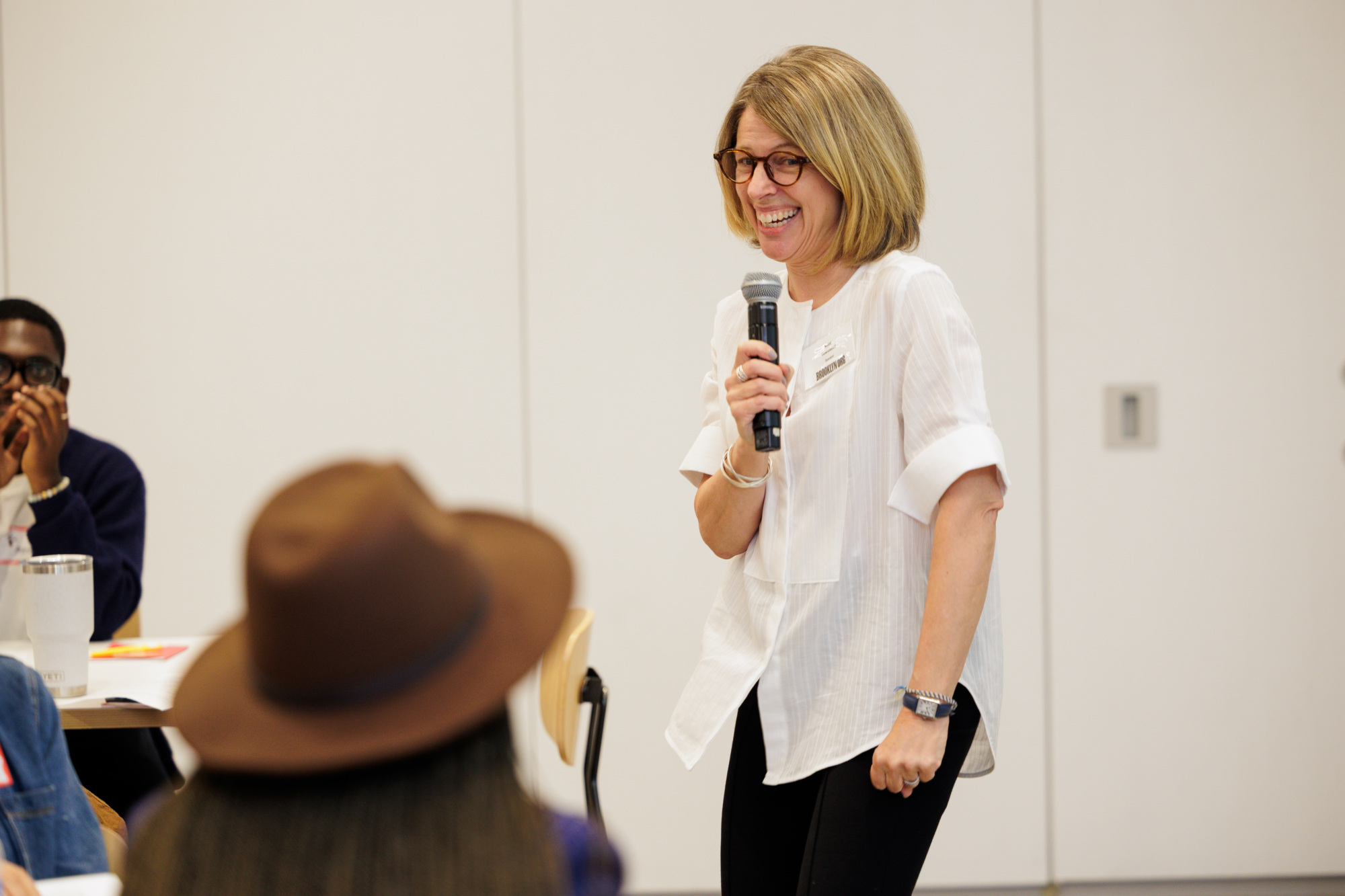
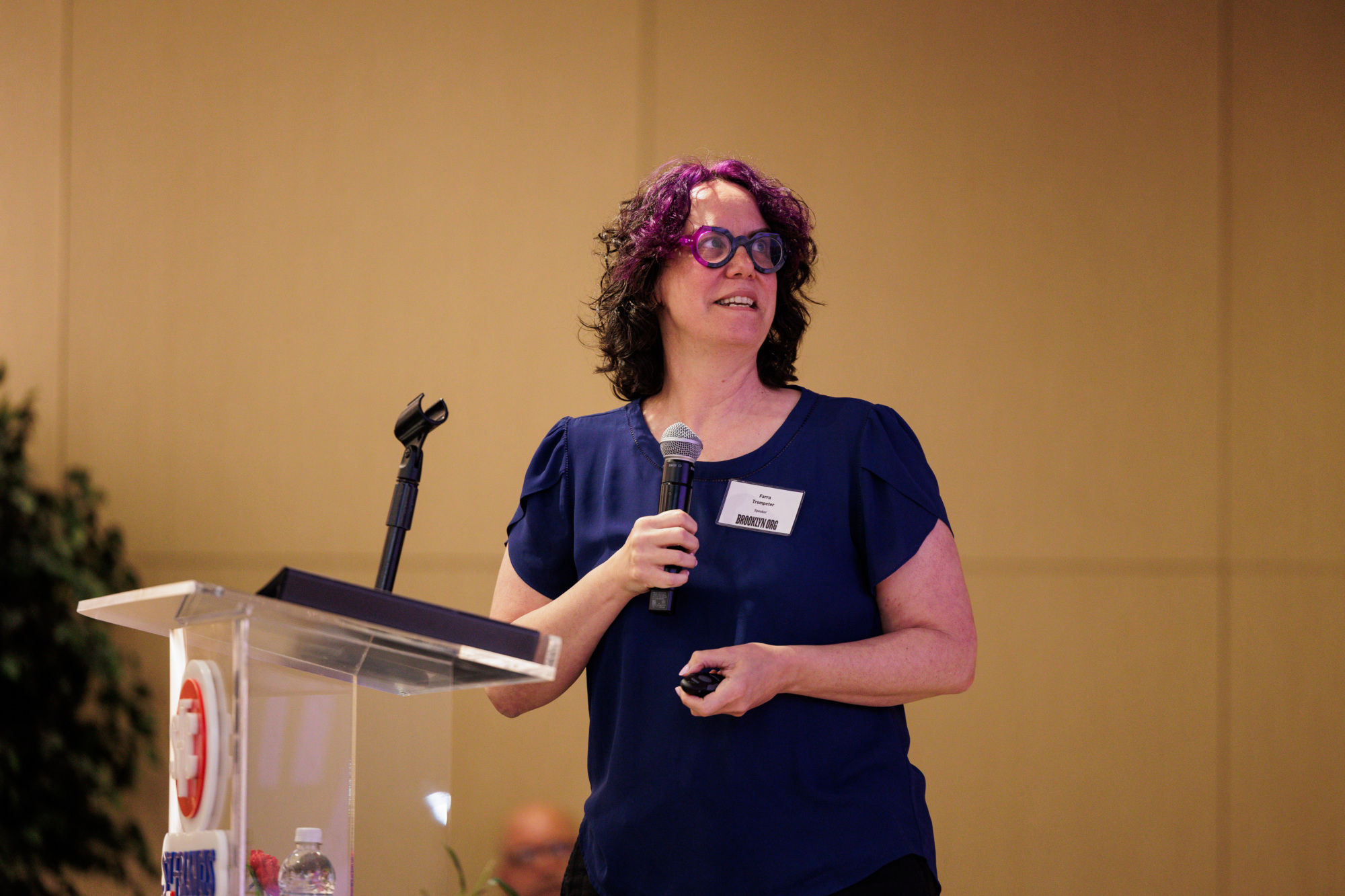
Farra Trompeter, Co-Director of Big Duck, closed the day with a session on turning the day’s conversations into concrete next steps — challenging participants to leave with at least one commitment they would act on in the weeks ahead.
Brooklyn’s nonprofit sector is the connective tissue of the borough — organizations that feed families, house neighbors, educate young people, advocate for justice, and show up for communities every day. The stronger these organizations are at communicating their impact, the stronger their relationships with donors, partners, and the communities they serve. Nonprofit capacity building isn’t only about programs and operations — it’s about ensuring organizations have the voice and visibility to sustain their work for the long haul. That’s the work Brooklyn Org is committed to supporting, and it’s what brought hundreds of leaders to the table with us.