The Opportunity Hub
Stories of Impact
When Nanda Prabhakar took over the Spring Creek Recreational Fund in 2021, she was faced with the daunting task of transforming an organization that mostly existed on paper, and doing so alone. “We didn’t have anything at first,” Prabhakar reflected with a chuckle. “In the beginning, it was just me sitting in an empty conference room with my Excel spreadsheets, trying to figure out how we could grow.”
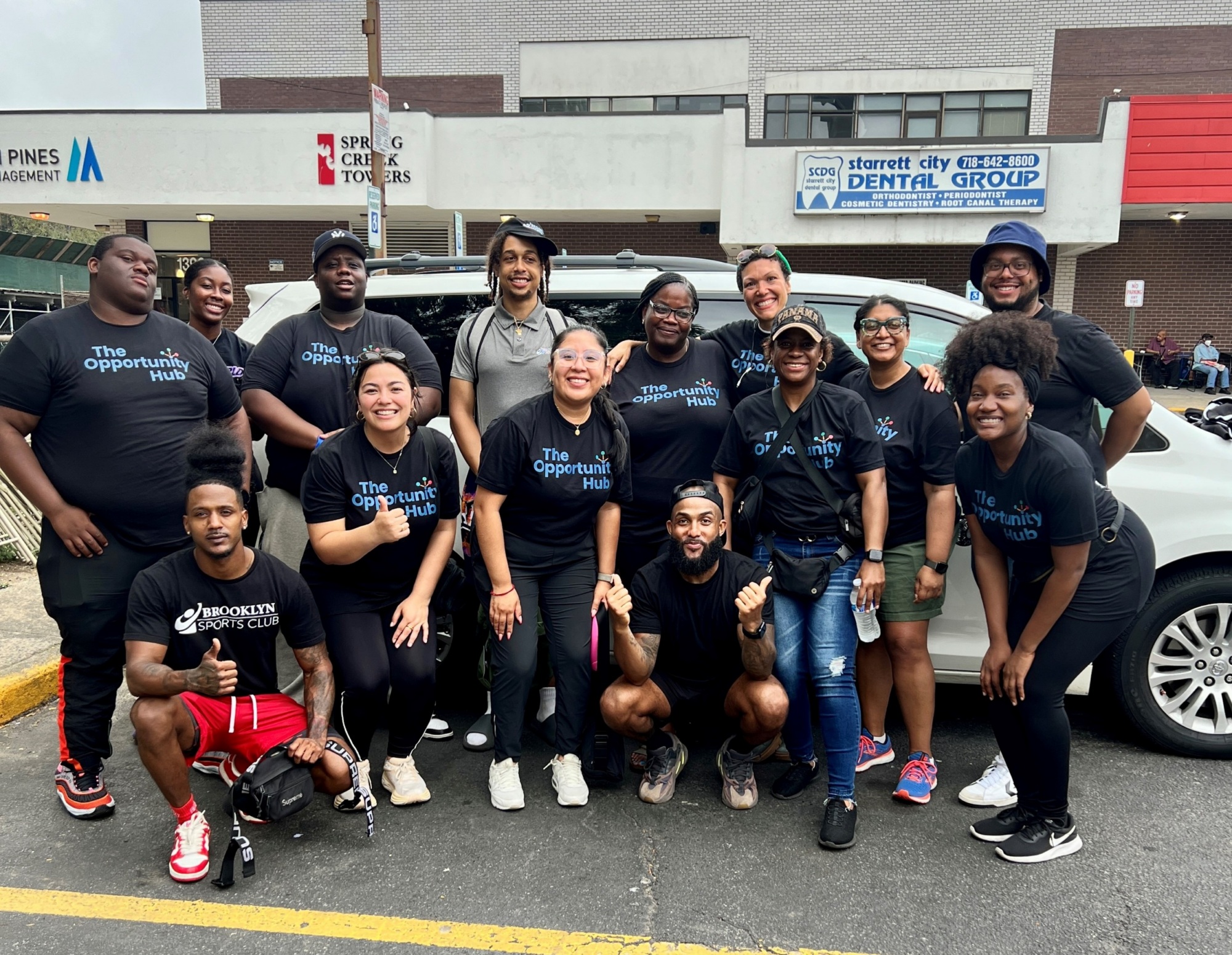
The Recreational Fund had been created in 2010 to act as a land trust for Spring Creek Towers’ undeveloped property, which was largely sitting unused despite its potential to serve the surrounding community in Starrett City. However, it would spring to life mere months later as part of a new campaign to rethink its purpose and expand its services. Rebranded as the Opportunity Hub, it quickly grew from a single staffer to a full-fledged team of 25, adding an assortment of new programs to assist its predominantly immigrant and working-class residents.
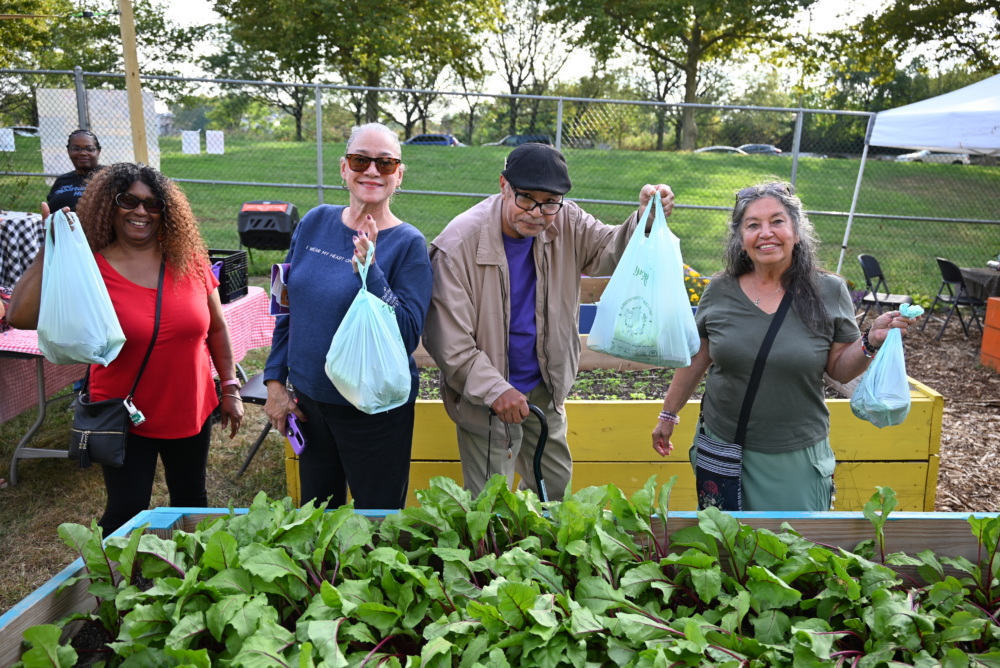
As founder and Executive Director of the Opportunity Hub, Prabhakar is still amazed every day by how much the organization has grown in such little time. One of the most visible transformations has been the Spring Creek Towers Farm, which turned Starrett City’s undeveloped green spaces into a community garden and reliable food source for local residents. “We went from a fenced-off patch of dirt to a space with 24 garden beds. This past season, those 24 garden beds yielded just under 1,900 pounds of produce,” she reported proudly.
She credits funding from Brooklyn Org with helping make the garden and many of the organization’s other initiatives possible. “One of the best parts of Brooklyn Org’s support is having access to all of the amazing programming it offers, which is open to non-grantees as well,” Prabhakar explained.
“Once we became part of the Brooklyn Org family, knowing that we have the support of a team that’s truly invested in the success of our programming, our organization, and ultimately our neighborhood, allows us to take a step back and reflect on our progress so far.”
She noted that for the Opportunity Hub team, many of whom are Starrett City residents themselves, receiving sponsorship from Brooklyn Org validated the sense that both their work and their community were finally being seen.
This newfound sense of stability, combined with the Hub’s own growth and experience, has allowed the organization to shift its focus from expansion to fortification. “We’re finally in a position where we’re not just thinking about building and expanding, but also about maintaining relationships and reinforcing preexisting ones. We’re thinking about how we can deepen our work and improve the structures we’ve already created.”
Once we became part of the Brooklyn Org family, knowing that we have the support of a team that’s truly invested in the success of our programming, our organization, and ultimately our neighborhood, allows us to take a step back and reflect on our progress so far.Nanda Prabhakar, Executive Director
The group’s shift in focus is exemplified by the Spring Creek Towers Farm’s dual existence as a source of community connections and education as well as fresh produce. “We partnered with the neighborhood elementary school, started offering STEM classes, and created programs for community members of all ages,” stated Prabhakar.
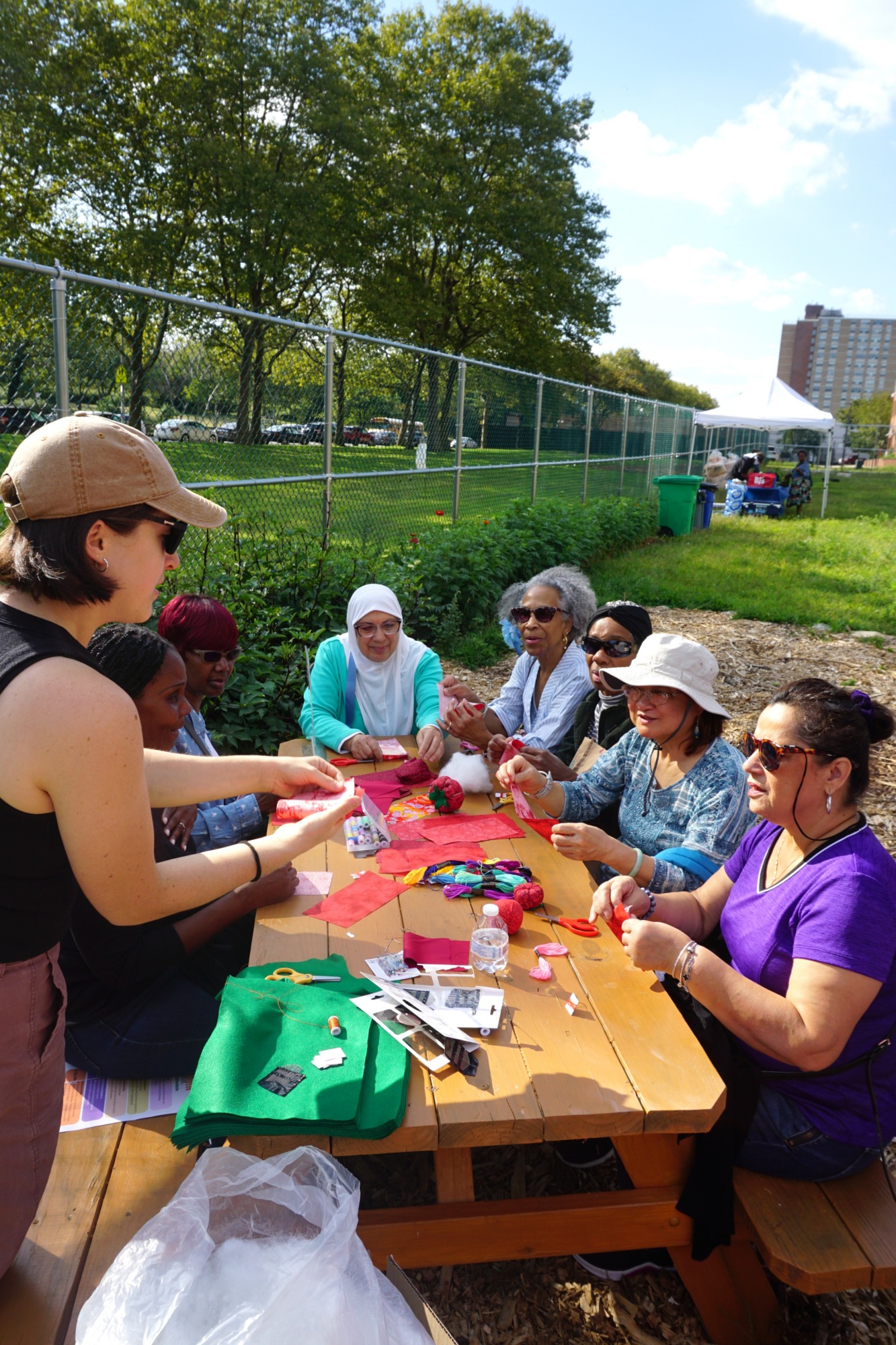
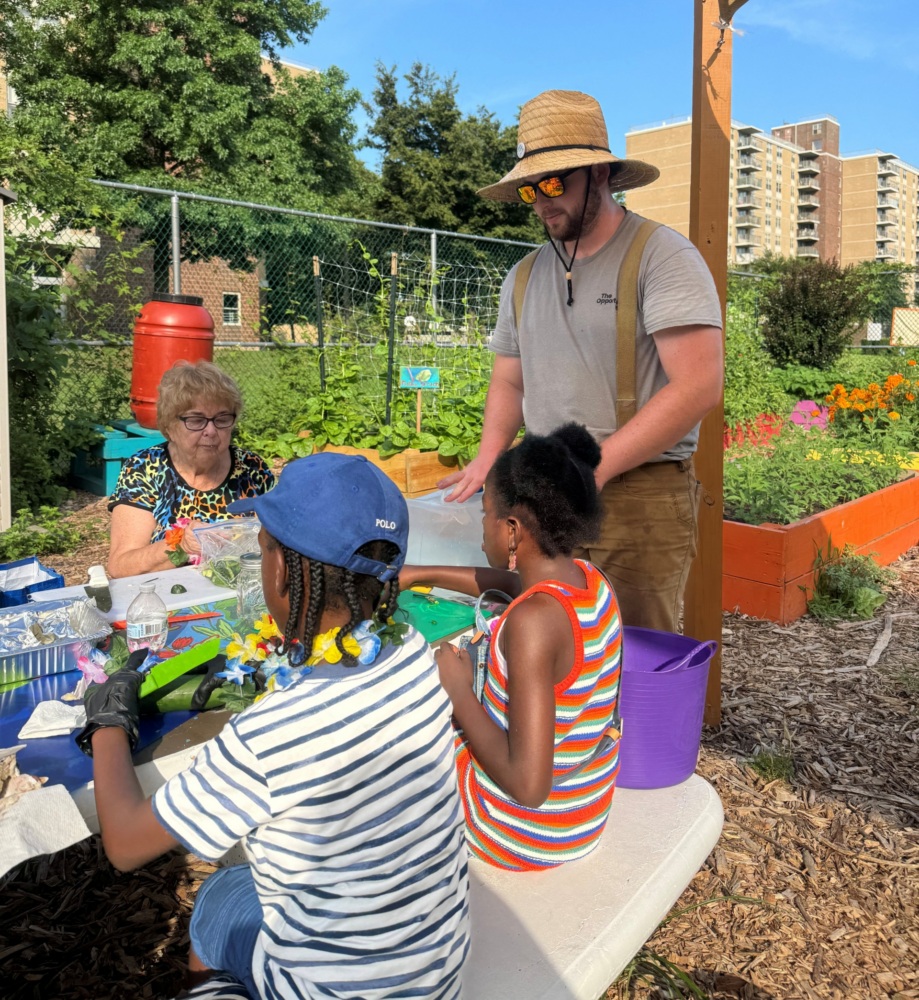
Throughout the school year, the Opportunity Hub’s Learning Garden program invites young people from across the neighborhood to its afterschool enrichment activities; during the summer, it welcomes summer camp participants and teen volunteers. For senior citizens, the farm hosts weekly Older Adult Garden Clubs, where participants gather to learn seasonally appropriate gardening skills and meet other members of the community.
By offering programming that spans multiple age groups, the garden has become a space shared by multiple generations of the same family.
“We now have a handful of families where a seven-year-old will take his parents around the garden to show them what he grew. Meanwhile, his grandmother is also in our Older Adult Gardening Club, so his mom and uncle basically end up being pressured by both ends of the generational gap to get involved. And they did! So it was amazing to have a multigenerational impact on the population.”
The memories made and shared in the farm have contributed to the sense of collective ownership its contributors feel. The garden’s produce reflects the cultures of the surrounding community, growing foods such as okra, sorrel, pigeon peas, and beets that are used in traditional dishes.
The organization views its work not merely as charity, but rather as a long-term investment in the goals and well-being of the communities that live in the neighborhood. This belief is a fundamental part of the organization’s plan to address entrenched racial and economic disparities. “We’re not just giving resources away. We’re investing in people’s futures,” affirms Prabhakar. “We want to have discussions that make people think about where they’re heading and what steps they’re taking to get there.”
For example, The Opportunity Hub’s Resources for Independence, Success, and Empowerment (RISE) program partners with local banks to provide community members with financial literacy training, one-on-one employment counseling workshops, and preparation for higher education. It also assists residents with applying for benefits such as SNAP, housing programs, and health insurance. These services are crucial in a neighborhood known for its large immigrant population, where many families face systemic barriers to employment, credit, and benefit programs due to language barriers and citizenship status.
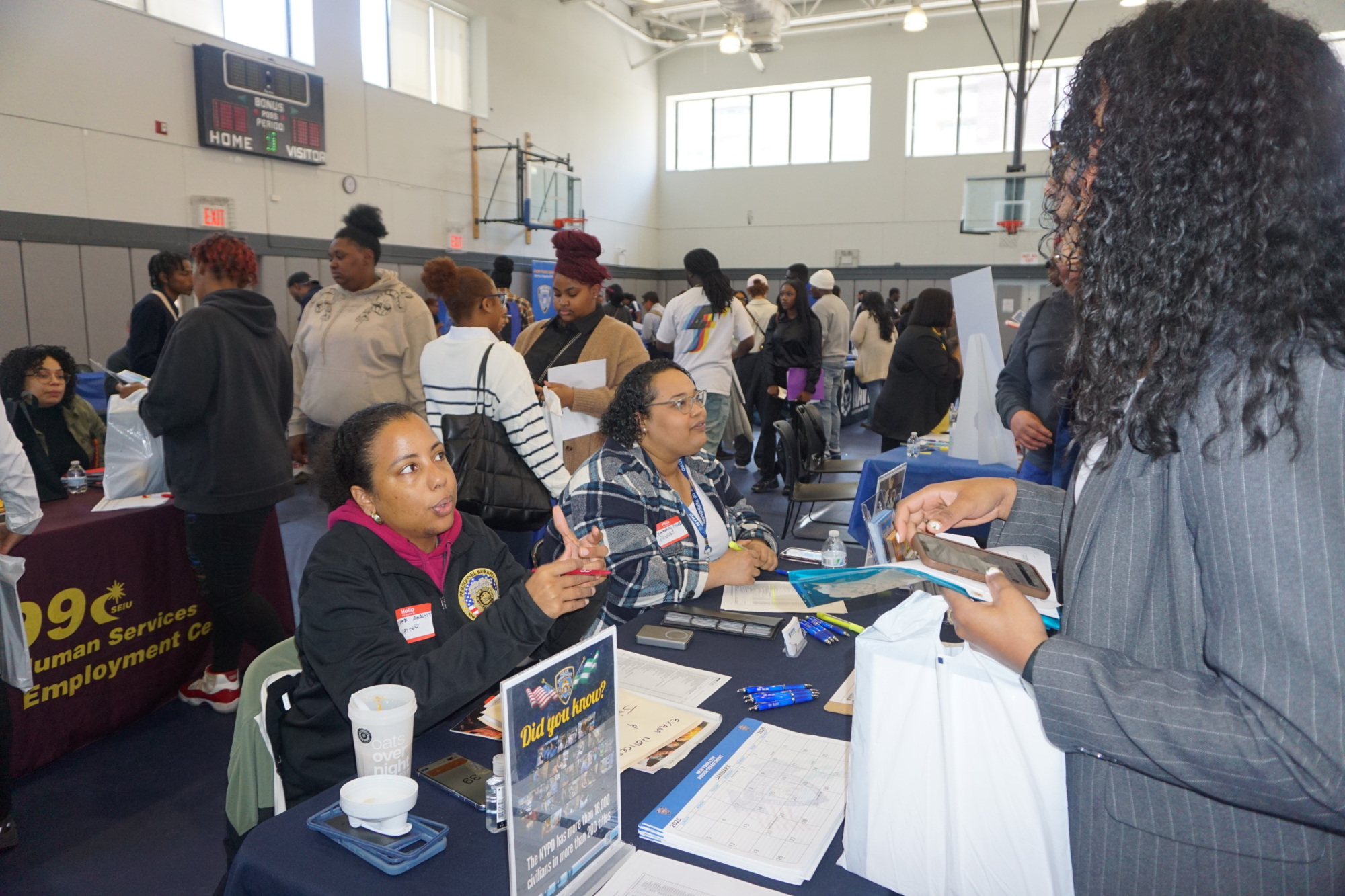
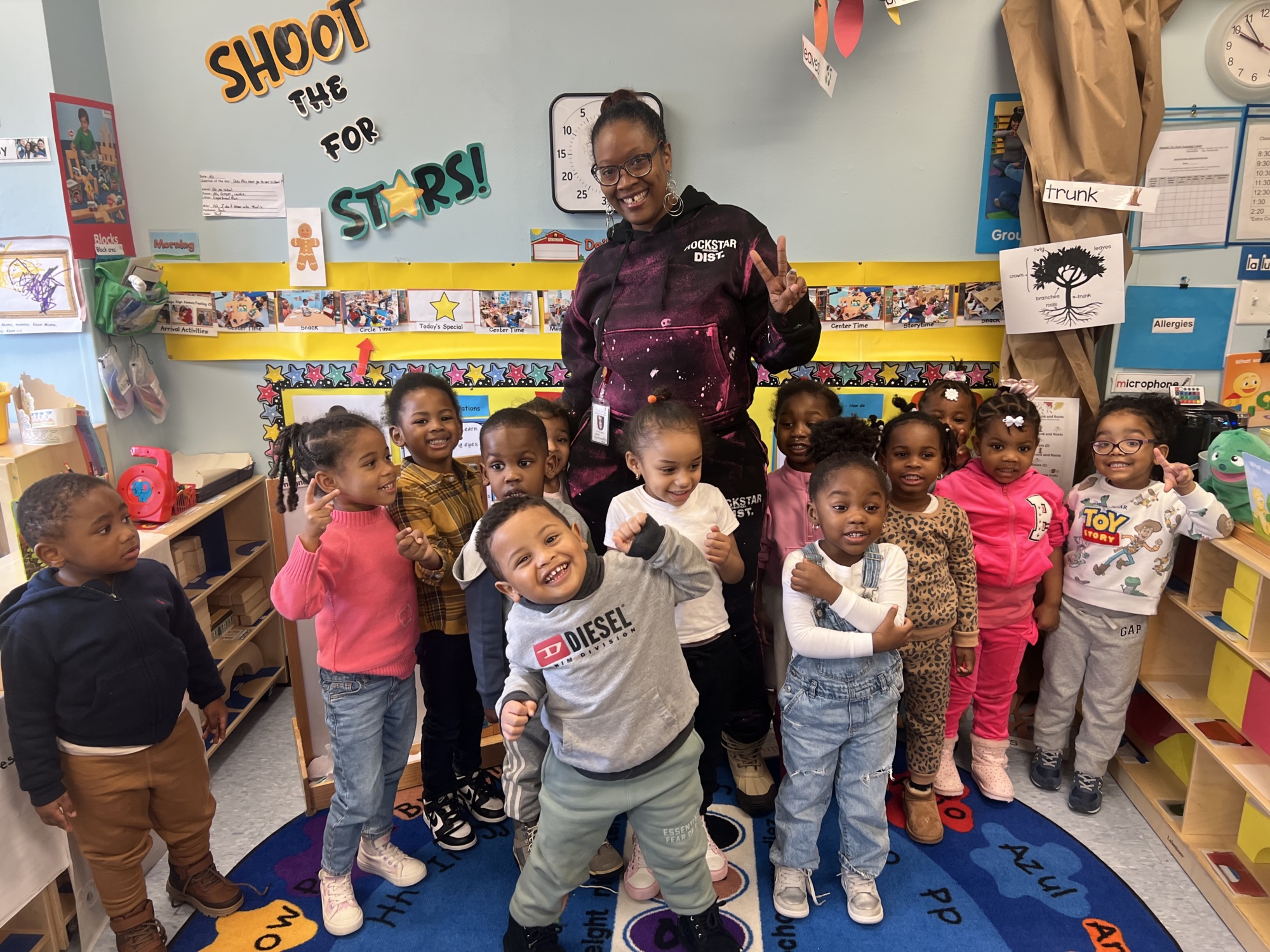
However, Prabhakar emphasizes that these programs would not be possible without first building trust and forming bonds with its participants. “You have to establish a relationship before those deeper conversations can take place, and we also understand that sometimes the road there can be a little circuitous,” she says. “It’s part of the reason why we are really committed to creating third spaces and community events which are open to the public. You don’t get to that conversation about long-term investment until you’ve created an environment where people actually want to connect.”
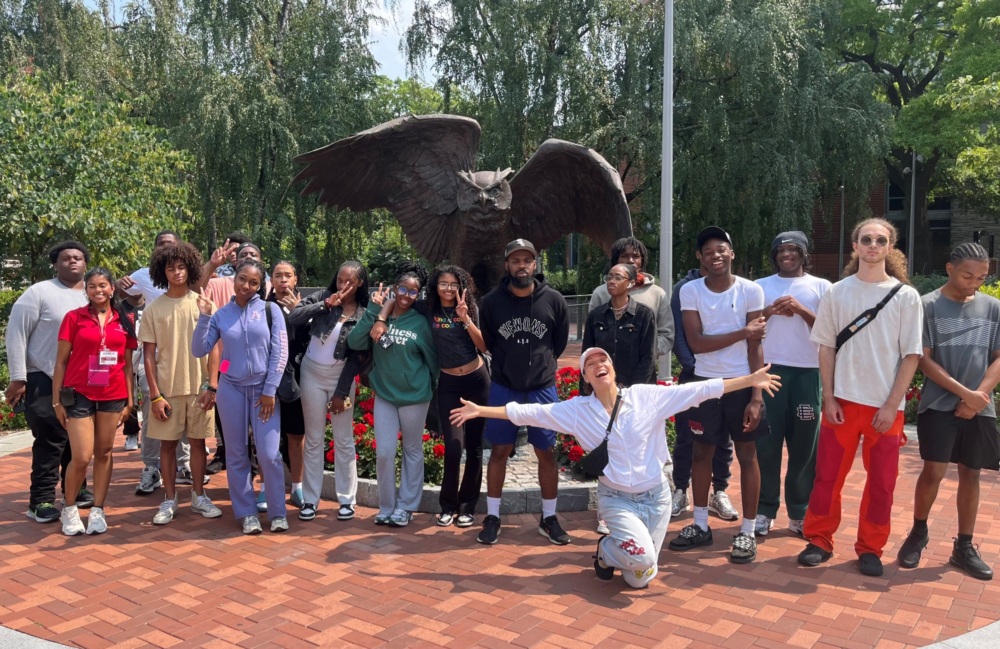
The Hub’s Teen Central program does just that, meeting young people where they are, providing teenagers from ages 13-17 with free access to a computer lab, culinary classes, membership on a local basketball team, and digital literacy workshops. These benefits are also offered by the group’s Young Adults Program (YAP), which serves 18-27 year olds in the community. Through a partnership with the Department of Public Safety, YAP provides career-building activities such as job readiness training, peer mentorship, and hands-on experiences that help participants explore and prepare for future opportunities. For Prabhakar, establishing rapport with the teens doesn’t just guarantee that they’ll keep coming back, but also that they’ll commit to their goals.
“When young people join our teen program to get free basketball coaching and access to our gym, we use that as a point of entry to start talking about their goals and ambitions,” explains Prabhakar. “What does basketball do for your life and your future career? How can you use this to build leadership skills and social-emotional learning that you can use later on in life? And if your future is pursuing a career as a professional athlete, how can we work with you on that investment to achieve your goals?”
As the Opportunity Hub looks ahead, Prabhakar is excited to watch the institution she created continue to grow. The organization is currently fundraising to upgrade its under-utilized computer center and establish a media lab for enterprising creatives to record podcasts, film videos, and produce music.
“Like any founder, I can’t help but feel like this is my child,” she laughs. “It started with just an idea in my head. And now, we’re currently in the process of expanding and adding 26 more garden beds, a small orchard, a greenhouse, and a whole host of other things to our farm.”
In the coming year, Prabhakar is focused less on expansion and more on deepening the relationships the organization has already built through initiatives such as revitalizing a print edition of The Spring Creek Sun, the community’s 50-year old newspaper that went all digital in 2020. “Our programs and services have served over 4,500 people, and we’re certain that number is only going to grow with time.”
Written by Luca Suarez