GRIOT Circle
Stories of Impact
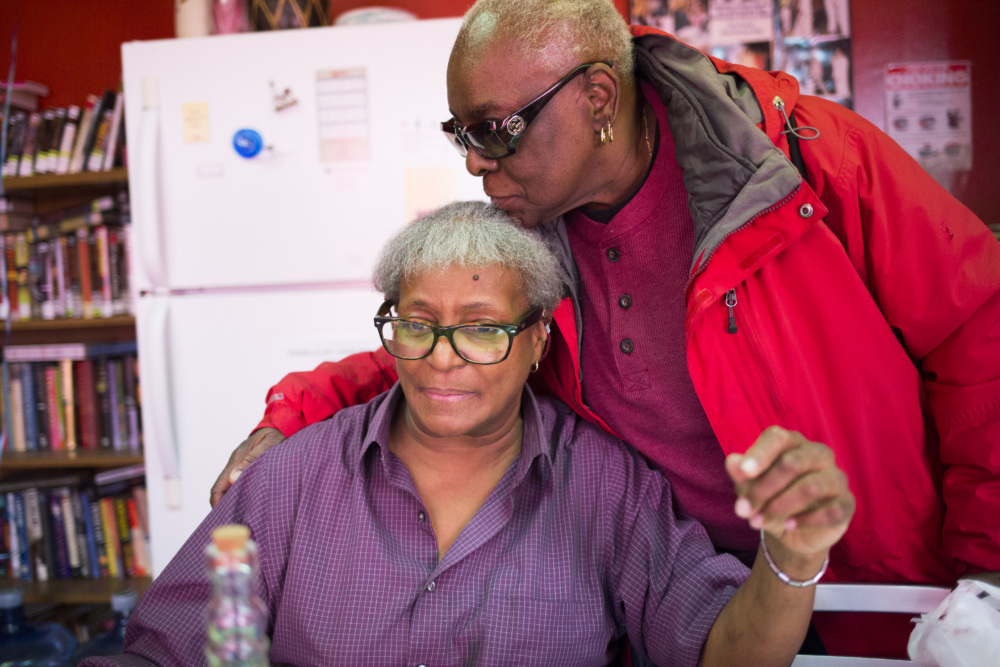
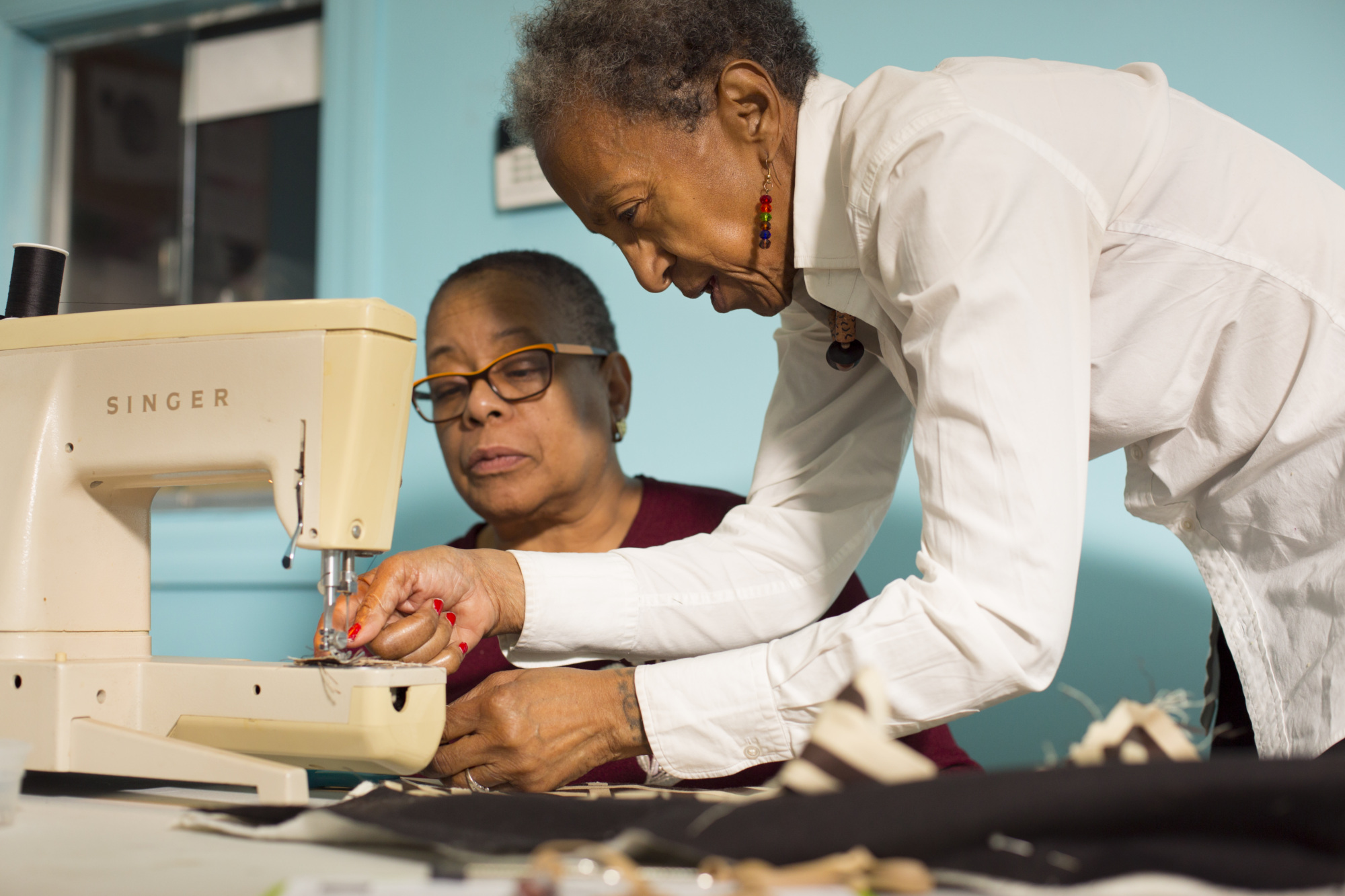
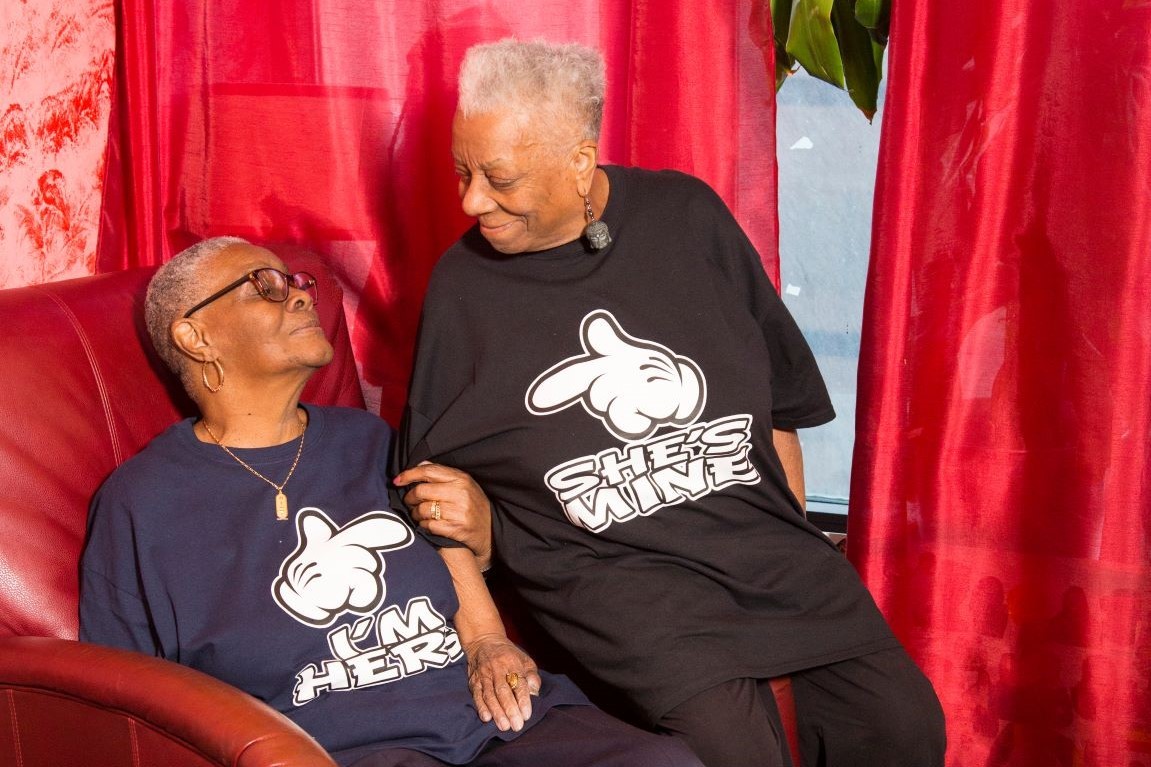
On a weekday afternoon on bustling Flatbush Avenue in Downtown Brooklyn, laughter carries across a room where queer older adults swap stories, check in on one another, and carve wood side by side in a class led by a fellow member.
For many LGBTQ+ older adults, especially those of color, community spaces like this have been out of reach. Decades of discrimination in housing and social services have left many elders navigating aging without the support systems that provide both resources and community.
GRIOT Circle was created to change that.
Founded in 1996, the Brooklyn-based organization has long been laser focused on supporting LGBTQ+ elders of color. Its name stands for “Gay Reunion In Our Time,” reflecting its mission to create a space where members can access resources, build community, and age with dignity.
By giving members to opportunity to create and implement the programming that they would like to see such as getting to know your elected officials or hosting an Audre Lorde birthday celebration, GRIOT Circle offers something many LGBTQ+ elders have spent their lives searching for: an affirming place to belong.
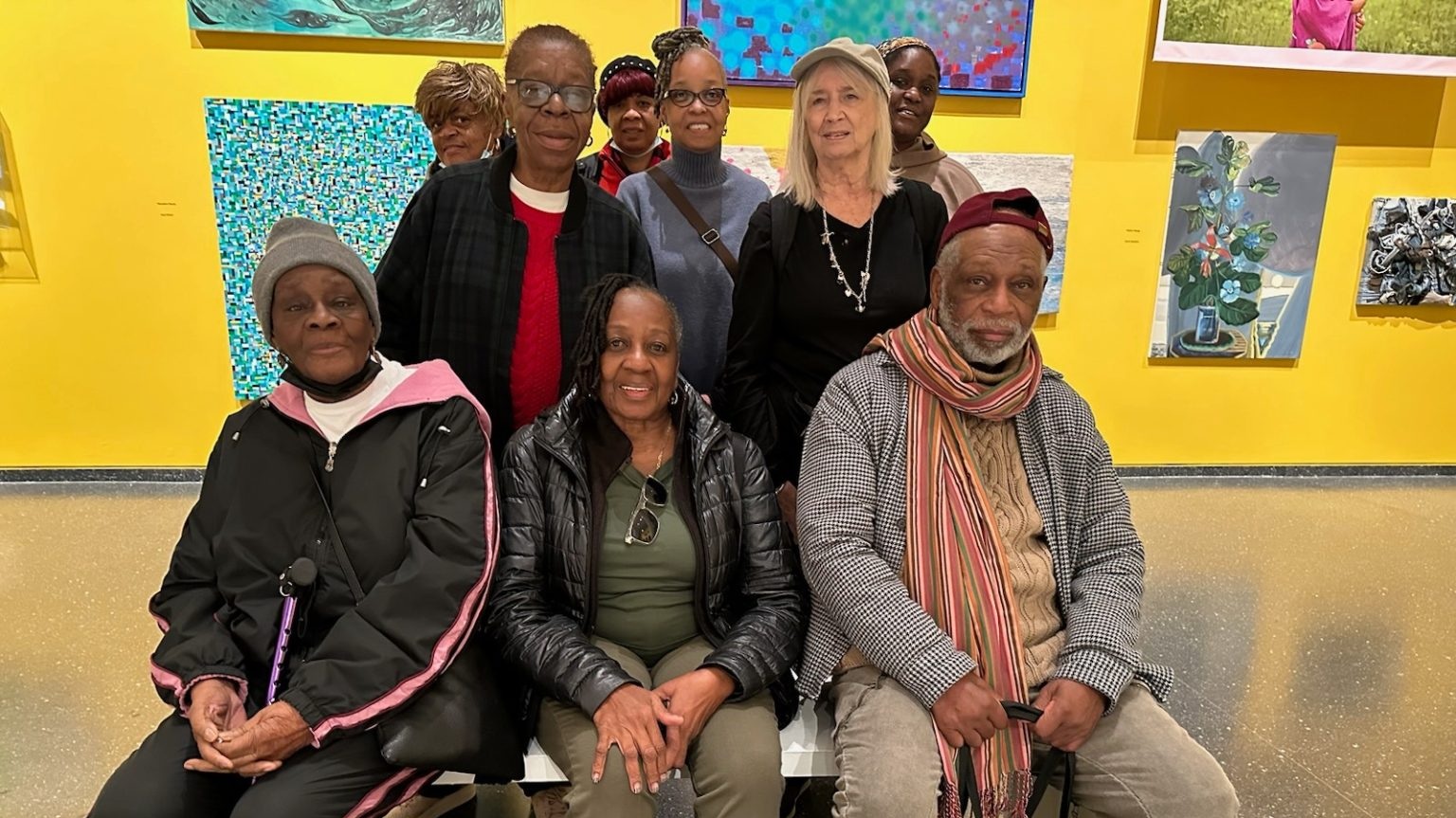
“Many of our elders spent their lives hiding who they were,” says Aundaray Guess, the organization’s executive director. “So creating a space where they can show up fully as themselves is powerful.”
That sense of belonging is what brings people through GRIOT Circle’s doors from across the borough and beyond.
Many members travel from other parts of New York City because they cannot find the same level of acceptance at local senior centers closer to home. For older adults who have experienced rejection from family or social service systems, GRIOT Circle becomes more than a program site. It becomes community and creates a sense of home.
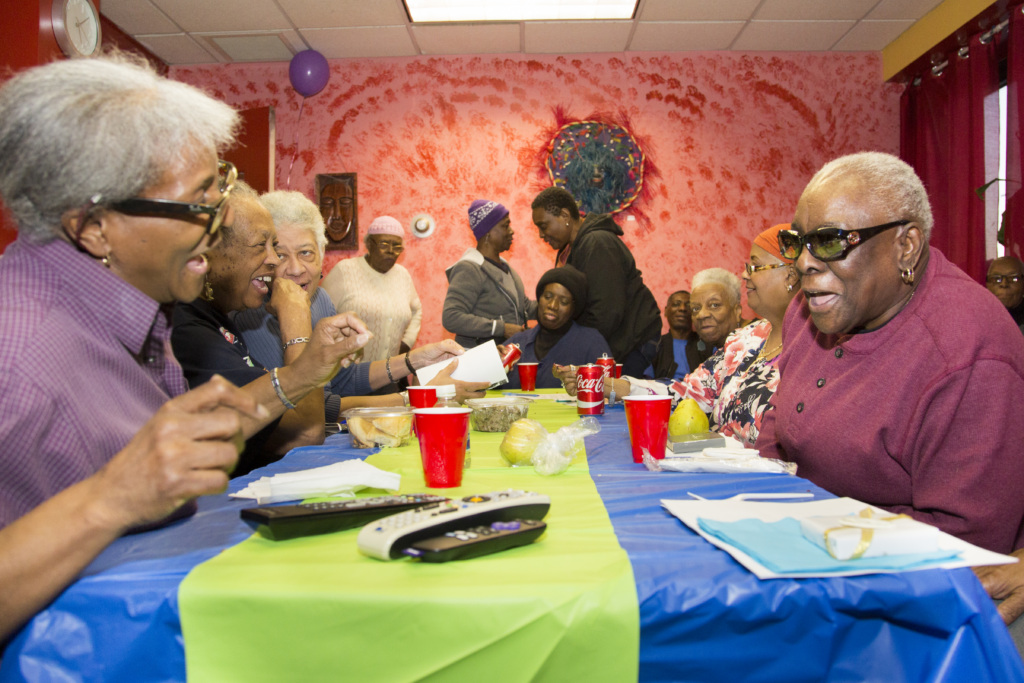
Inside GRIOT Circle, members connect through peer-led programming and opportunities to share their stories. The organization focuses on issues that deeply affect LGBTQ+ elders of color, including mental health, financial stability, and protection from discrimination in housing and healthcare. The more than 400 older adults GRIOT Circle serves—primarily Black, African American, and Caribbean American—are often navigating significant financial challenges, with 90% living in low-income households and half retired on fixed incomes.
But the work goes beyond services. It’s about reframing how society understands aging.
With the recent three-year commitment Brooklyn Org has given us, it’s provided a cushion. It allows us to plant seeds that will grow into something much bigger for our community.Aundaray Guess, Executive Director
“We don’t do bingo,” Guess says with a laugh. “We’re shifting the narrative of what it means to be a senior. Our elders are advocates, leaders, and some of the best storytellers.”
That shift has helped GRIOT Circle grow into a powerful voice for LGBTQ+ elders in Brooklyn, strengthening intergenerational connections and building partnerships across the borough.
As demand for its programs has grown, so has the need for resources to expand their reach and capacity.
Support from Brooklyn Org has played a key role in that growth.
Through multi-year funding and strategic support, Brooklyn Org has helped the organization strengthen its local advocacy work for elders navigating mental health challenges and financial insecurity.
“With the recent three-year commitment Brooklyn Org has given us, it’s provided a cushion,” Guess shares. “It allows us to plant seeds that will grow into something much bigger for our community.”
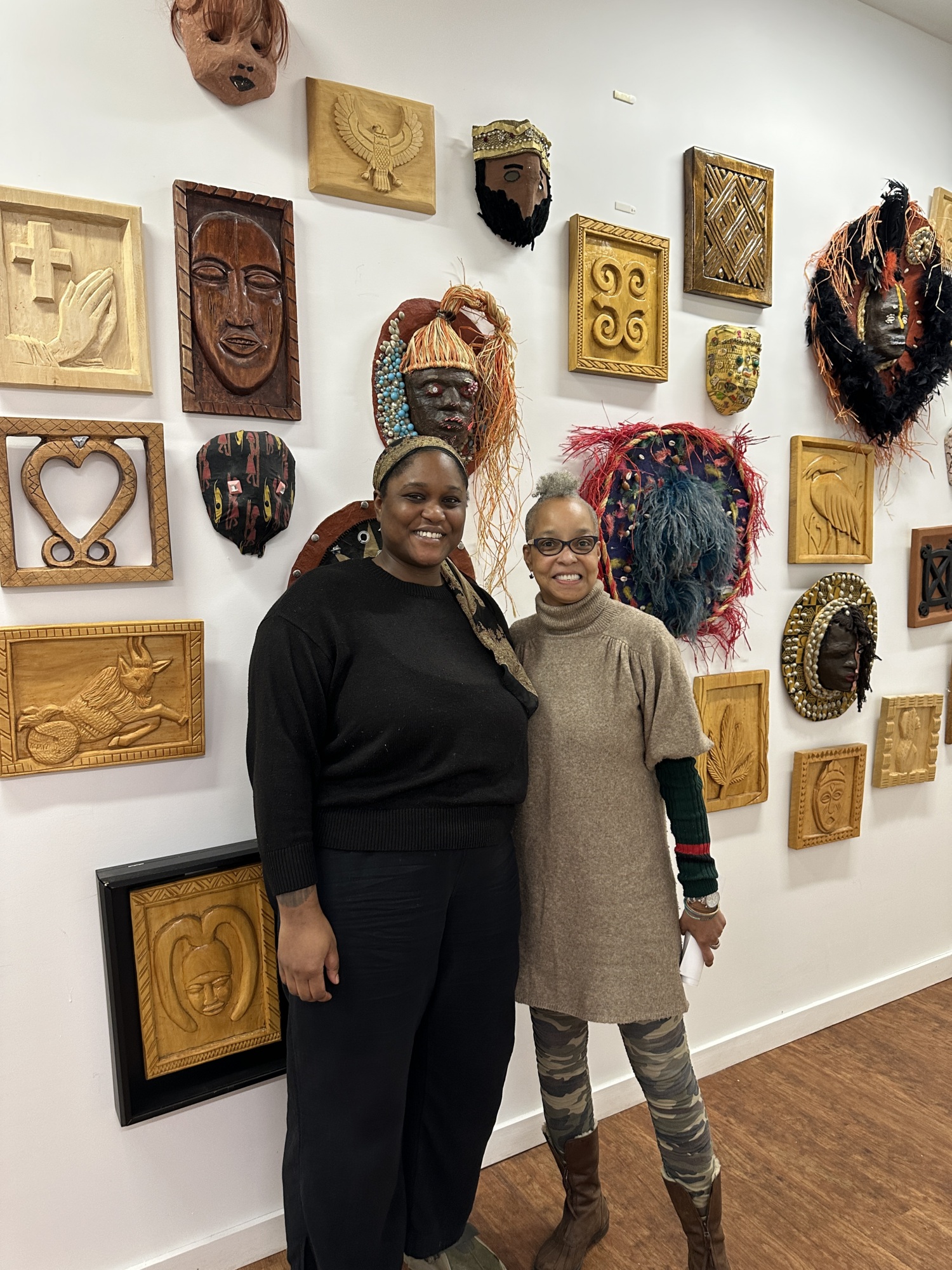
That support has helped GRIOT Circle hire additional staff to support the advocacy work, strengthen programming, and prepare for the growing number of elders seeking connection and resources.
Beyond funding, Brooklyn Org has also connected the organization with community resources, training opportunities, and networks that help smaller nonprofits build sustainable infrastructure. From sharing space for meetings to connecting staff with tools and expertise, those relationships help ensure that organizations like GRIOT Circle can continue serving Brooklyn’s communities for the long term.
For the elders who gather there each week, that impact is tangible.
At GRIOT Circle, the queer elders find friendships that ease isolation. They find advocates who understand their lived experiences. And they find a place where their identities are not only accepted but celebrated.
This story was written by Victoria Liverpool.