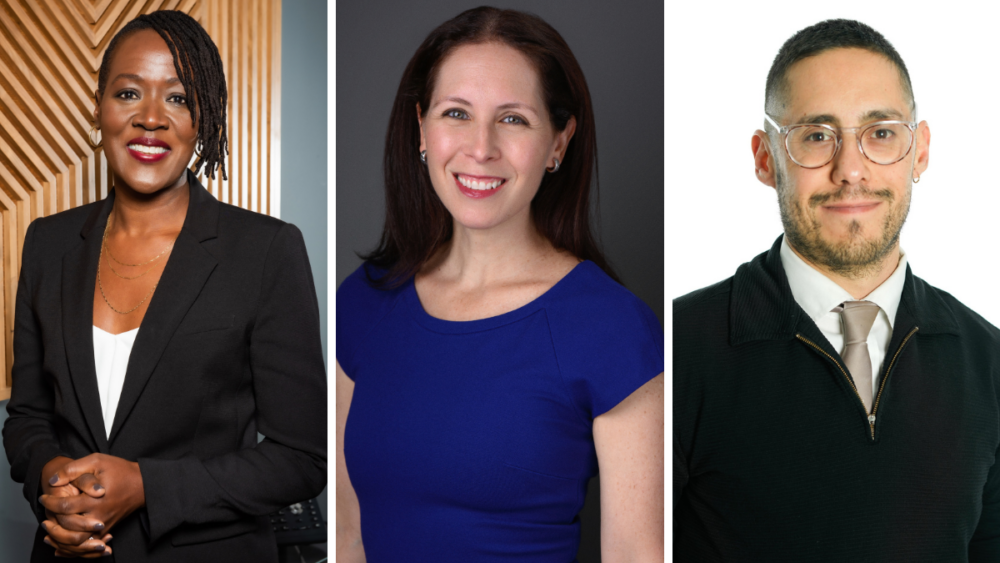
NYCEDC Select Brooklyn Org as Administrator for Sunset Park Special Purpose Project Fund

Not long ago, I met a young Black man who had done everything we tell young people they should do. He earned a degree from Brown University, built an impressive résumé and applied for more than 60 jobs. Months later, he was still waiting for someone to give him a chance.
His story is becoming alarmingly common. According to the New York City Comptroller’s Office, young New Yorkers with college degrees had a 7.3% unemployment rate in the 12 months ending in March 2026—higher than the 7.1% rate among their peers without degrees, the first time on record that has happened.
Overall New York City’s unemployment rate is higher than the national average and unemployment among Black New Yorkers, who have been leaving the city for years to seek greater economic opportunity elsewhere, is nearly 9%.
These stats should concern anyone who cares about the city’s future.
Mayor Mamdani has rightly made affordability a defining priority of his administration. Housing, food and childcare demand urgent attention. But there is another side of the affordability equation: whether New Yorkers can earn enough to build a life here.
There is reason for optimism. Mayor Mamdani’s appointment of Tony Shorris as president and CEO of the Economic Development Corporation creates an important opportunity to put good jobs at the heart of the city’s affordability and economic justice agenda.
The administration has made clear that it wants economic development to produce tangible improvements in the lives of working New Yorkers. Job creation is essential to that vision. Under Shorris, EDC can help expand access to family-sustaining jobs, grow industries that offer pathways to the middle class, and ensure economic growth reaches communities too often left behind.
I have seen what works throughout my career. At Getting Out and Staying Out, helping formerly incarcerated young people rebuild their lives depended on connecting them to employers willing to give them an opportunity. At the Brooklyn Navy Yard, internships, apprenticeships and career pathways helped connect New Yorkers to jobs in growing local industries.
For recent college graduates we need to make sure there is a growing business community looking to hire young people with degrees. And we need paths to economic mobility for those who are unable to earn college degrees. Both goals are best advanced through public-private partnerships.
Take for example Brooklyn Org’s recent partnership with the National Grid Foundation, a $700,000 investment in organizations preparing Brooklyn residents for careers in clean energy, construction, and skilled trades.
One grantee, Star, recently completed a four-month hands-on training program. She entered with no construction experience, graduated as one of the cohort’s strongest welders and is already employed earning significantly more than the minimum wage.
That is economic opportunity in practice.
Brooklyn Org will soon convene leaders from workforce development, philanthropy and the employer community to explore how we can create more of these opportunities. No sector can do it alone. Government should invest in communities and create pathways to opportunity. Workforce organizations should have the means to prepare more New Yorkers for careers. Philanthropy can help effective approaches grow. Over the past five years, Brooklyn Org has invested over $7m in workforce programs just in Brooklyn. Finally, we need employers who can provide the jobs that turn training into paychecks and careers.
For generations, this city’s promise has been bigger than simply being able to afford to stay. It has been the possibility of getting ahead.
Mayor Mamdani’s affordability agenda speaks directly to the first half of that promise. With new leadership at EDC and a renewed focus on good jobs and economic mobility, we have an opportunity to deliver on the second half as well.
The young man I met has the talent to succeed anywhere. The question is whether New York will give him—and thousands like him and like Star—the opportunity to build that future here.