From P.S. 152 To President & CEO: NYC Kids Rise Spotlights Dr. Jocelynne Rainey
Good morning. It’s Friday. Today we’ll find out about a Brooklyn nonprofit that won a $100,000 prize given by another Brooklyn nonprofit. We’ll also get details on a plan that would make New York the first city in the United States with free universal child care.
Michelle Dahl, who runs a public-interest organization that objects to intrusive surveillance, had no objections to some recent scrutiny that delved into her nonprofit. The group had asked for it, and it paid off.
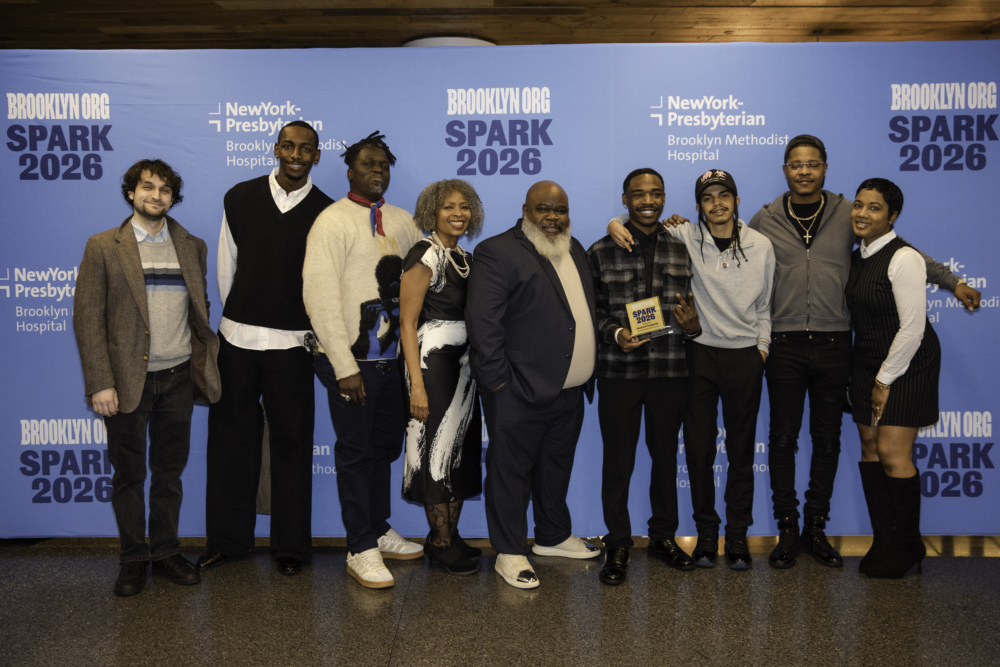
Her group, the Surveillance Technology Oversight Project, was named a winner of a $100,000 prize from another nonprofit, Brooklyn Org.
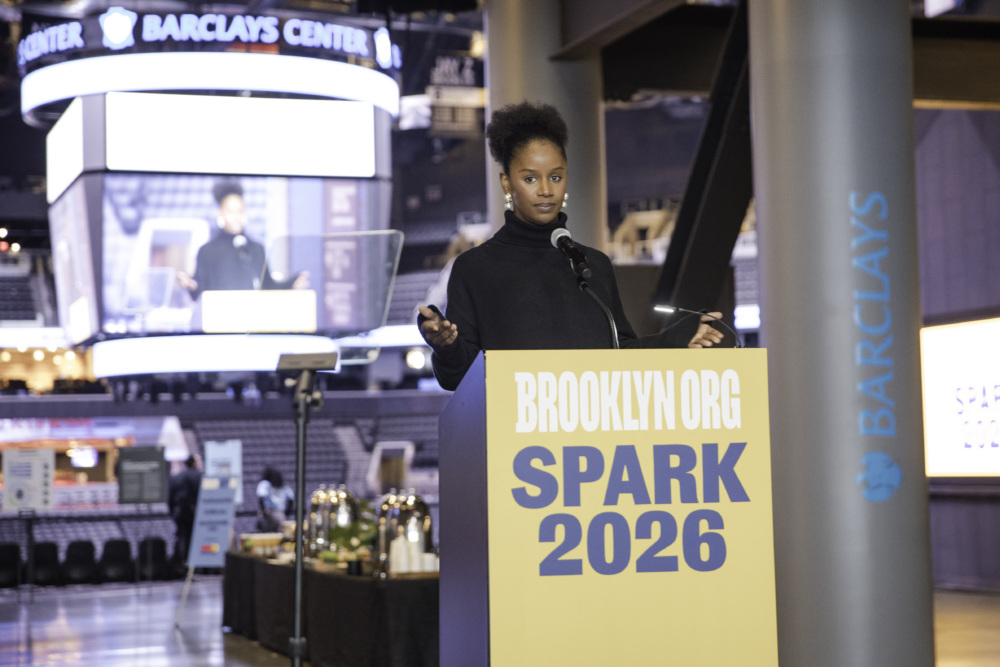
S.T.O.P., as Dahl’s group is known, was one of five winners chosen from among 20 finalists that had submitted applications and undergone an intensive review. “From expanding safety and dignity for Muslim women to elevating youth civil leadership and protecting communities from harmful surveillance,” said Jocelynne Rainey, the president and chief executive of Brooklyn Org, “these organizations are moving our borough toward lasting equity.” The other winners of the award, the Spark Prize, are listed here.
Dahl said the prize comes at an important moment. “We’ve seen more aggressive policing, which usually involves higher use of surveillance tools that target communities, particularly ICE agents using live facial recognition apps on their phones,” she said. “It can be wrong.”
And, she said, such surveillance is conducted without warrants, which she said was illegal and unconstitutional. She said that S.T.O.P. — which started in 2019 in the Fort Greene apartment of the lawyer and activist Albert Fox Cahn — would use the money “to do more national litigation challenging this authoritarian use of surveillance technology.”
During the mayoral campaign, Zohran Mamdani criticized surveillance tactics. Dahl said she was “optimistic but very cautious” about how the Police Department’s use of surveillance would evolve.
“He has kept on Tisch,” she said, referring to the police commissioner, Jessica Tisch, an architect of the Police Department’s pervasive surveillance network. The system “has caused a lot of harm and overpolicing over the last several years,” Dahl said, “but we know that Mamdani has espoused views about public safety that go beyond the traditional view of security at all costs, so we’re hoping that he’ll put meaning limits on surveillance.”
Over the years, S.T.O.P. has also objected to other practices by law enforcement that it considered intrusive. Last year, the city agreed to a $17.5 million settlement in a class-action lawsuit in which S.T.O.P. was co-counsel. The two plaintiffs were Muslim women who said that the police had violated their rights after arresting them by forcing them to remove their hijabs before photographing them. The Police Department rewrote its policy in response to the lawsuit, permitting mug shots of people in head coverings like the skullcaps and wigs worn by Orthodox Jews and the turbans worn by Sikhs — as long as their faces were not obscured.
Brooklyn Org, which changed its name from the Brooklyn Community Foundation in 2023, is Brooklyn-centric and says that the borough’s nonprofits are too often shortchanged. The Spark Prize is an effort to address that, by channeling $600,000 to high-visibility groups: $100,000 to each of the five winners, and $5,000 to each of 20 finalists. Brooklyn Org itself got a $200,000 grant from NewYork-Presbyterian Brooklyn Methodist Hospital for the prize program.
Rainey, who is not involved in deciding who wins, said she had heard from the committee that chose the winners that S.T.O.P.’s work was “compelling” because it went beyond basics like food insecurity, affordability and direct social services in struggling communities.
“It’s thinking beyond day-to-day-needs,” she said, “and thinking about people being snatched off the street in struggling communities and wanting more for neighborhoods. We want them to experience the American dream. They need to have the same freedoms and the ability to move freely through the city. S.T.O.P. is an example of what can be accomplished.”