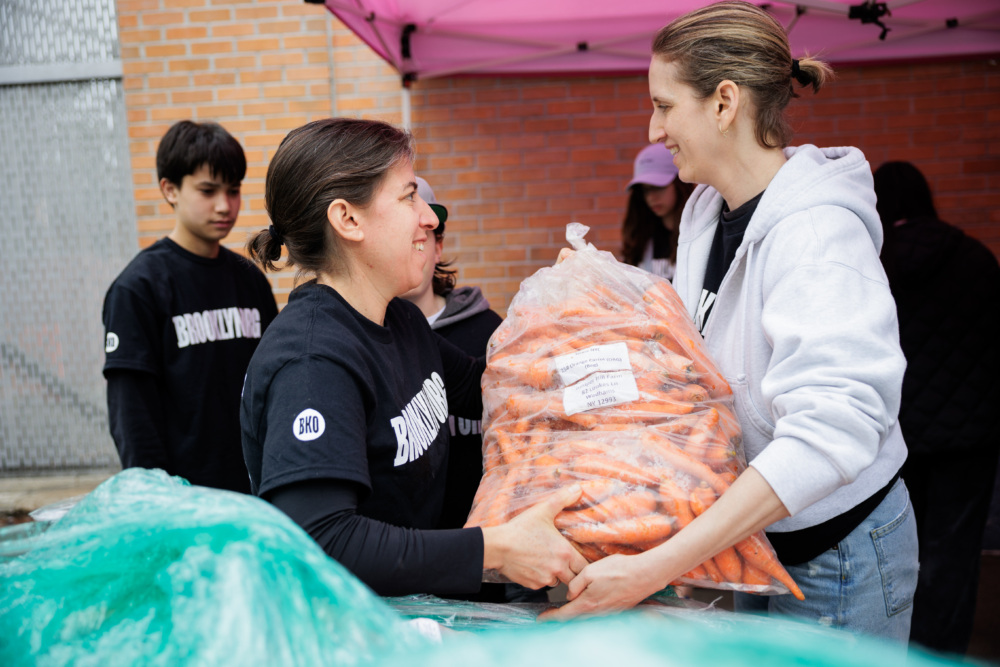
Behind The Scenes: Brooklyn Org’s Origin Story
Assets held in donor-advised funds topped $326 billion at the end of 2024 — a figure that doesn’t yet reflect a surge in late‑2025 contributions that were propelled by stock‑market gains and looming tax changes.
Across the board, institutions that sponsor DAFs — like the charitable arms of investment firms, community foundations, and many other organizations — urged donors to open or add to their accounts and maximize their charitable deductions before the new tax law went into effect on January 1. That means DAFs have never before been so flush with cash, just as many nonprofits are looking for new funding sources.
Building relationships with community foundations is an important way to meet DAF donors in your area. Nationwide, community foundations hold more than $52 billion in DAF accounts, standing at the ready to help local charities.
As Dr. Jocelynne Rainey of Brooklyn Org puts it, “Our approach is very much ‘Brooklyn back to Brooklyn, neighbors supporting neighbors.’”
She says donors who hold DAFs at community organizations usually have a deep curiosity about what is going on locally, and she’s happy to play matchmaker for them: “We approach it from the perspective of, ‘Hey, I see that you’ve been giving to this education program. I would love to introduce you to some of the programming that’s happening in Brooklyn.”
Brooklyn Org regularly brings together donors to hear nonprofit leaders speak about their work in areas like food assistance or affordable housing. After one recent briefing, Rainey, says two Brooklyn youth-development organizations — one for girls and one for boys — walked away with new commitments from DAF donors.
To create that kind of opportunity to connect with donors, most community foundations would welcome an unsolicited letter of interest from a local nonprofit leader, Rainey says: “I’m always thinking about how to introduce a donor-advised fund holder to a nonprofit, and where can we and how can we support them.”