Worker’s Justice Project
Stories of Impact
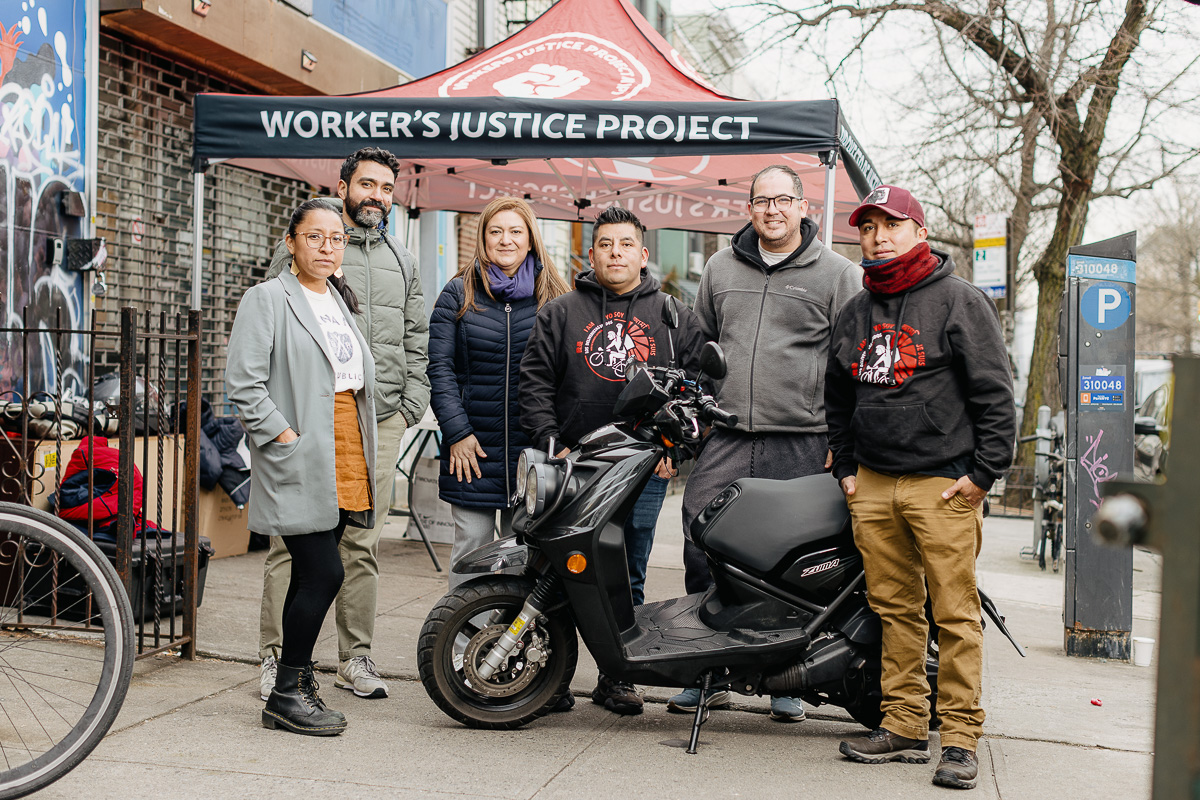
Recently, Alifo, an Uber driver, lost everything he owned in a fire. His Uber account had been deactivated and he was about to be evicted from the apartment he had moved into following the catastrophe. So he went to the Worker’s Justice Project for support.
“He used to come here at least once a week or twice a week, almost begging [to be reactivated],” Yadira Sanchez, a co-founder of Worker’s Justice Project shared. “It was difficult because to get somebody activated or reactivated, it’s not our decision. That decision depends on the app.”
But Sanchez at the Worker’s Justice Project still took action to support him. After gathering all necessary documents, she wrote what she described as “a very compelling email” to “touch [Uber’s] heart and their minds.” The next day Uber replied, saying that they understood his situation and were reactivating his account.
Alfio’s involvement at WJP only grew from there. He became extensively involved in WJP’s campaigns against app exploitation of delivery workers, including involvement in the organization’s recent victory to pass Intro 1332, a bill that protects workers from being fired without cause, which was passed last December. This effort prompted his recent meeting with new NYC mayor Zohran Mamdani.
“That’s what we do at WJP,” executive director of Worker’s Justice Project Ligia Guallpa said when explaining how this case fits into the organization’s broader work. “We meet people where they are” and “help them discover their own potential, discover that they are already leaders of their lives, and give them tools to be able to achieve what they see as impossible.”


WJP was founded by domestic workers and day laborers in 2010 in response to rising wage theft and unemployment faced by primarily immigrant workers.
Initially, the organization was “a collective space for workers to have conversations about how they can build solidarity with each other and transform their industries,” said Guallpa. Today, WJP works to change the conditions that lead to worker exploitation while building a grassroots labor movement led by workers themselves. The organization now has a membership of more than 15,000 workers, conducts health and safety trainings benefitting 600 people each year, and provides case management support to 500 workers.
WJP “has been on the front lines, organizing and empowering workers to win better working conditions,” Guallpa said. The organization does this by organizing campaigns to “transform industries” through workforce development. The organization not only “builds career pathways for workers” but also advances “innovative policy to make systemic changes to make sure that the industries that they’re working on have labor standards,” Guallpa added.
The most rewarding part of the job is seeing workers transform into leaders and recognizing the power they have and that anything is possible when we organize.Ligia Guallpa, Executive Director
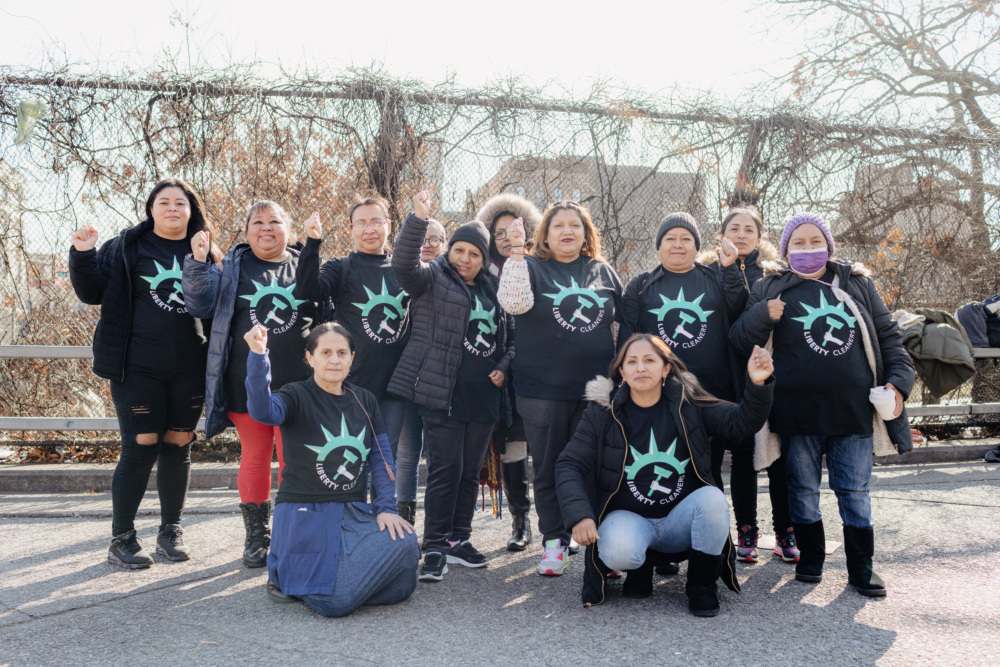
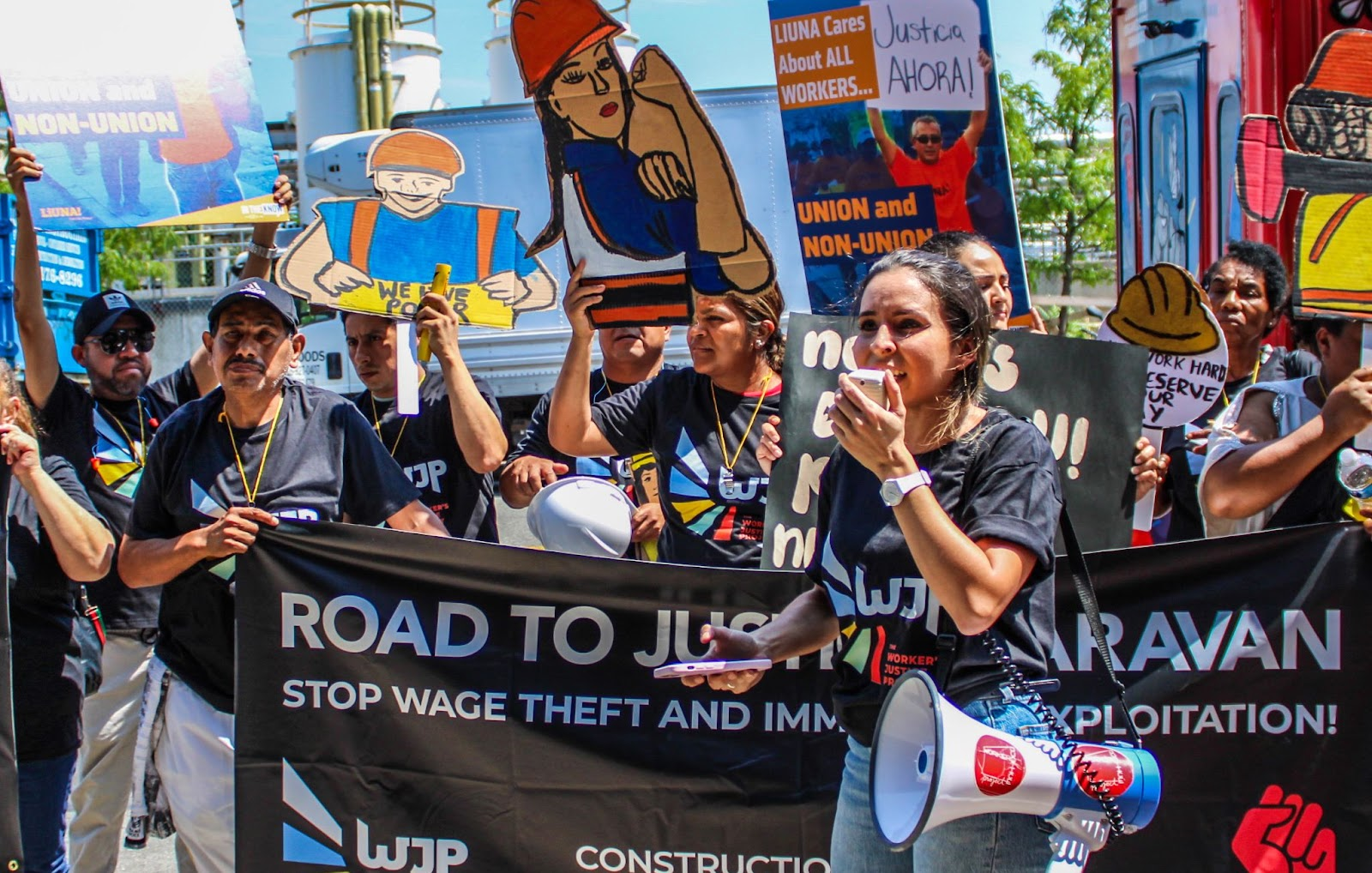
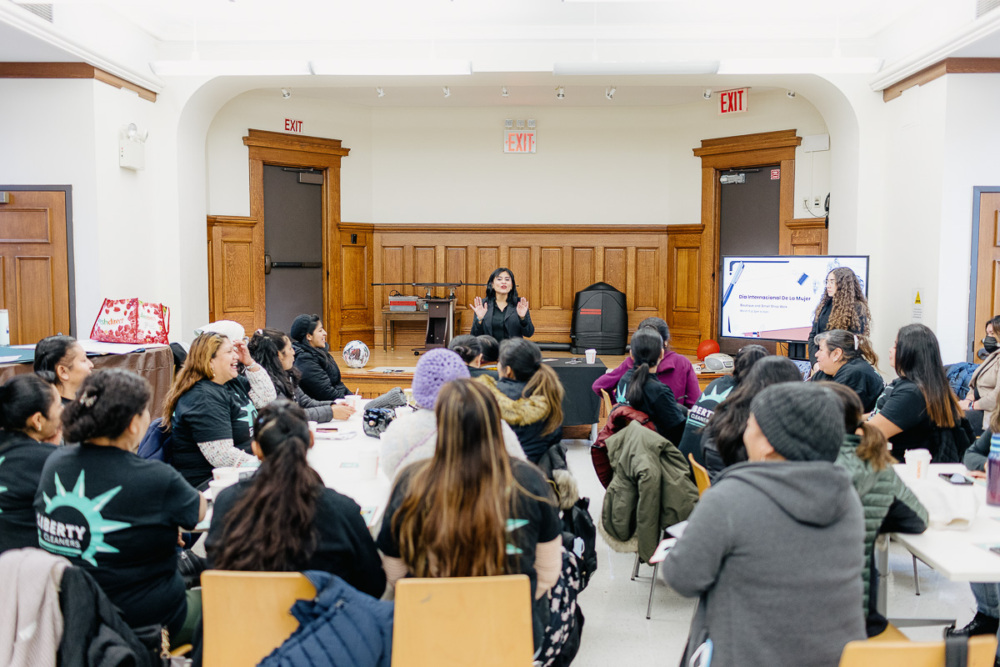
The organization has several committees, including Liberty Cleaners, a women-led group advocating for higher wages and safer working conditions in the cleaning industry. Los Deliveristas Unidos (LDU) supports more than 80,000 delivery workers across NYC who are classified as “independent contractors” without the right to employment benefits – that included exclusion from the right to a minimum wage until LDU organized and won the nation’s first minimum pay law for app delivery companies in 2023. Finally, Construction Workers United advocates for safety and fair working conditions in the construction industry.
“The most rewarding part of the job is seeing workers transform into leaders and recognizing the power they have and that anything is possible when we organize,” Guallpa said.
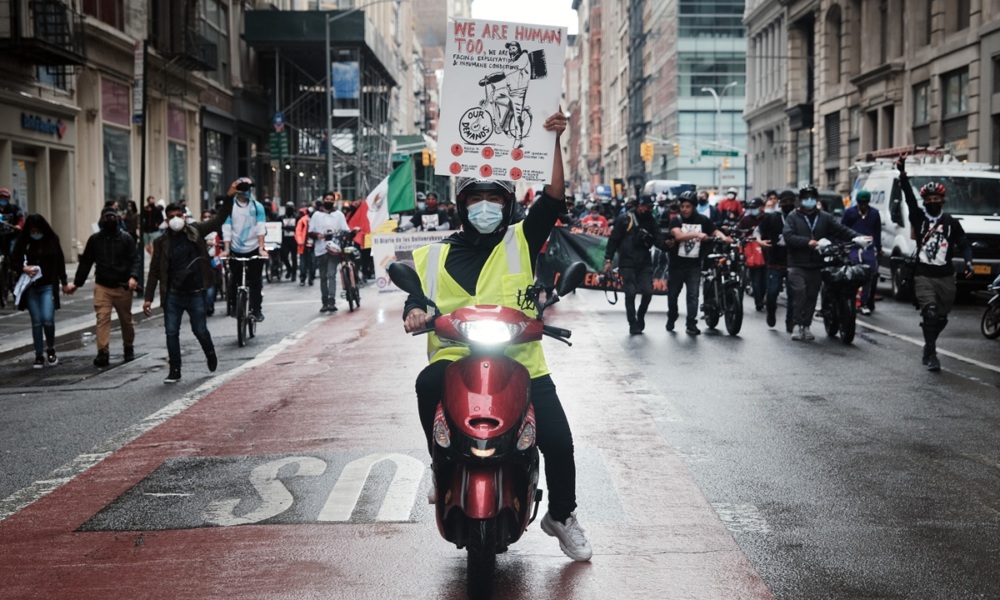
Some of the organization’s major successes through these initiatives include passing legislation that mandated construction health and safety training to reduce worker injuries and fatalities, as well as securing six new labor rights for delivery workers, including a minimum pay standard, increased pay transparency, greater discretion over how far they travel, and – most recently – protections against unjust and arbitrary firings at the hands of corporate AI algorithms.
“Now more than ever, our work is critical because we have a new political reality,” Guallpa said. “Part of [this federal administration’s] mission is to dismantle the labor rights and labor protections that workers are entitled not only by making it easier for companies to misclassify workers as independent contractors but by dismantling government agencies that workers rely on to enforce their basic labor rights.”
“We are seeing the federal government create fear and terrorize neighborhoods, making it more difficult [for workers] to organize by threatening them with deportation and creating distrust,” Guallpa added.
“But the moment is now,” she said. “We can lead the way as being a sanctuary city, a pro worker city, and fight back against the federal government by showing that it is possible for cities to defend immigrant workers, expand labor protections, and fill the vacuum left when the federal government has dismantled the agencies that workers have relied on to protect their rights.”
Guallpa noted that funding this work is often difficult; “It’s challenging to ensure that donors understand why we need critical investment in organizing, and often, organizing is undervalued and underfunded,” she said.
For that reason, Brooklyn Org’s support has been critical for WJP, especially during the pandemic.
“We always have felt that Brooklyn Org has been there for us since the founding of the organization, supporting us through the most critical moments that we needed it the most,” Guallpa said.
BKO has also “validated us as a workers rights organization that is transforming the lives of Brooklynites, but also workers and immigrant New Yorkers who live in Brooklyn and across the city,” she added.
Guallpa added that “the whole transformation” that WJP supports and “the work that we do happens when we allow [workers] to discover their own potential and their own leadership, to be able, not just to transform their lives, but the lives of their communities.”
Written by Ava Stryker-Robbins